
Best Proposal Writing Guides to Buy in October 2026
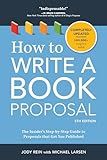
How to Write a Book Proposal: The Insider's Step-by-Step Guide to Proposals that Get You Published


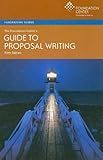
The Foundation Center's Guide to Proposal Writing (FOUNDATION GUIDE)
- AFFORDABLE PRICES, GREAT VALUE FOR QUALITY USED BOOKS.
- ECO-FRIENDLY CHOICE: REDUCE WASTE BY BUYING SECOND-HAND.
- QUALITY ASSURANCE: INSPECTED FOR GOOD CONDITION BEFORE SALE.
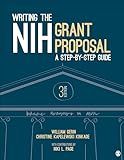
Writing the NIH Grant Proposal: A Step-by-Step Guide
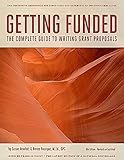
Getting Funded: The Complete Guide to Writing Grant Proposals
- MASTER GRANT WRITING & SECURE FUNDING WITH PROVEN STRATEGIES.
- DISCOVER IDEAL FUNDERS TO ELEVATE YOUR PROJECT'S SUCCESS.
- BUILD LASTING FUNDER RELATIONSHIPS FOR ONGOING SUPPORT.
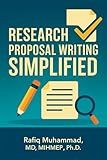
Research Proposal Writing Simplified: A Step-by-Step Guide to Research Proposal Writing for Beginners (Mastering Research: Design, Execution, and Publishing Made Simple)
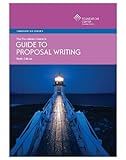
The Foundation Center's Guide to Proposal Writing
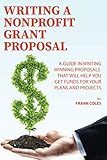
Writing a Nonprofit Grant Proposal: A Guide in Writing Winning Proposals that will Help You Get Funds for Your Plans and Projects
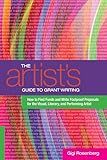
The Artist's Guide to Grant Writing: How to Find Funds and Write Foolproof Proposals for the Visual, Literary, and Performing Artist
- QUALITY ASSURANCE: EACH USED BOOK IS CAREFULLY INSPECTED FOR QUALITY.
- ECO-FRIENDLY CHOICE: SAVE MONEY AND REDUCE WASTE WITH REUSED BOOKS.
- AFFORDABLE LEARNING: ACCESS A WEALTH OF KNOWLEDGE AT A FRACTION OF THE COST.
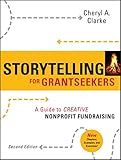
Storytelling for Grantseekers: A Guide to Creative Nonprofit Fundraising
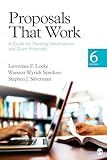
Proposals That Work: A Guide for Planning Dissertations and Grant Proposals
A good proposal should be clear, concise, and well-organized. It should clearly outline the problem or opportunity being addressed, as well as the proposed solution or approach. The proposal should communicate why the project is important or necessary, and clearly define the goals and objectives.
A good proposal should also demonstrate that the person or team behind it has the expertise, resources, and capabilities to successfully carry out the project. It should outline a realistic timeline and budget, and show that careful thought has been put into the planning and implementation of the project.
In addition, a good proposal should be persuasive and compelling, engaging the reader and creating a sense of excitement and enthusiasm for the project. It should be tailored to the specific needs and interests of the audience, and should be free of jargon or technical language that may be difficult for non-experts to understand. Ultimately, a good proposal should be well-written, well-researched, and well-presented, making a strong case for why the project should be funded or supported.
What is the role of storytelling in making a proposal more engaging?
Storytelling plays a crucial role in making a proposal more engaging by capturing the attention of the audience, setting a context for the proposal, making the information more memorable, and creating an emotional connection with the audience.
By incorporating storytelling into a proposal, you can create a narrative that draws the audience in, making them more likely to be invested in the information you are presenting. This can be especially powerful when trying to persuade the audience to take a particular course of action or support a specific idea.
Additionally, storytelling can help to set a context for the proposal by providing background information, illustrating key points, and explaining why the proposal is important. This can make the information more relatable and easier for the audience to understand.
Furthermore, storytelling can make the information in the proposal more memorable by framing it within a compelling narrative. People are more likely to remember and connect with information that is presented in a memorable and engaging way.
Finally, storytelling can create an emotional connection with the audience, which can help to build trust, rapport, and empathy. This emotional connection can make the audience more receptive to the proposal and more likely to support it.
In conclusion, incorporating storytelling into a proposal can make it more engaging, memorable, and persuasive, ultimately increasing the chances of success.
How to create a sense of urgency or importance in a proposal?
- Use compelling language: Use strong, action-oriented language to convey a sense of immediacy and importance. Words like "urgent," "critical," "time-sensitive," and "limited time offer" can make your proposal feel more urgent.
- Highlight potential consequences: Clearly outline the consequences of not acting quickly or missing out on the opportunity presented in your proposal. This can create a sense of urgency by illustrating what is at stake if the proposal is not acted upon promptly.
- Set deadlines: Clearly state deadlines for taking action or making a decision in your proposal. This gives the recipient a specific timeframe to act within, increasing the sense of urgency.
- Provide incentives: Offer incentives or bonuses for acting quickly, such as discounts, special offers, or exclusive access to additional resources. This can motivate the recipient to act promptly and create a sense of importance around the proposal.
- Demonstrate value: Clearly articulate the value and benefits of your proposal, emphasizing why it is important for the recipient to take action quickly. Show how your proposal can address a pressing need or solve a problem, making it clear that time is of the essence.
- Use visual cues: Use visual cues such as bold text, highlighting, or color to draw attention to key points in your proposal that convey urgency or importance. Visual elements can help emphasize the crucial nature of your proposal and encourage the recipient to act quickly.
What is the role of clear and concise language in a proposal?
Clear and concise language is crucial in a proposal as it helps to communicate the key ideas and information effectively. By using straightforward and easily understandable language, the proposal can be easily comprehended by the intended audience, whether it be stakeholders, clients, or decision-makers.
Additionally, clear and concise language helps to avoid any ambiguity or misunderstandings that may arise from convoluted or unclear wording. This clarity can help to build trust and credibility with the audience, as they can easily follow the proposal's logic and reasoning.
Overall, clear and concise language is essential in a proposal to ensure that the key messages are effectively communicated, and that the proposal stands out as a well-structured and convincing document.