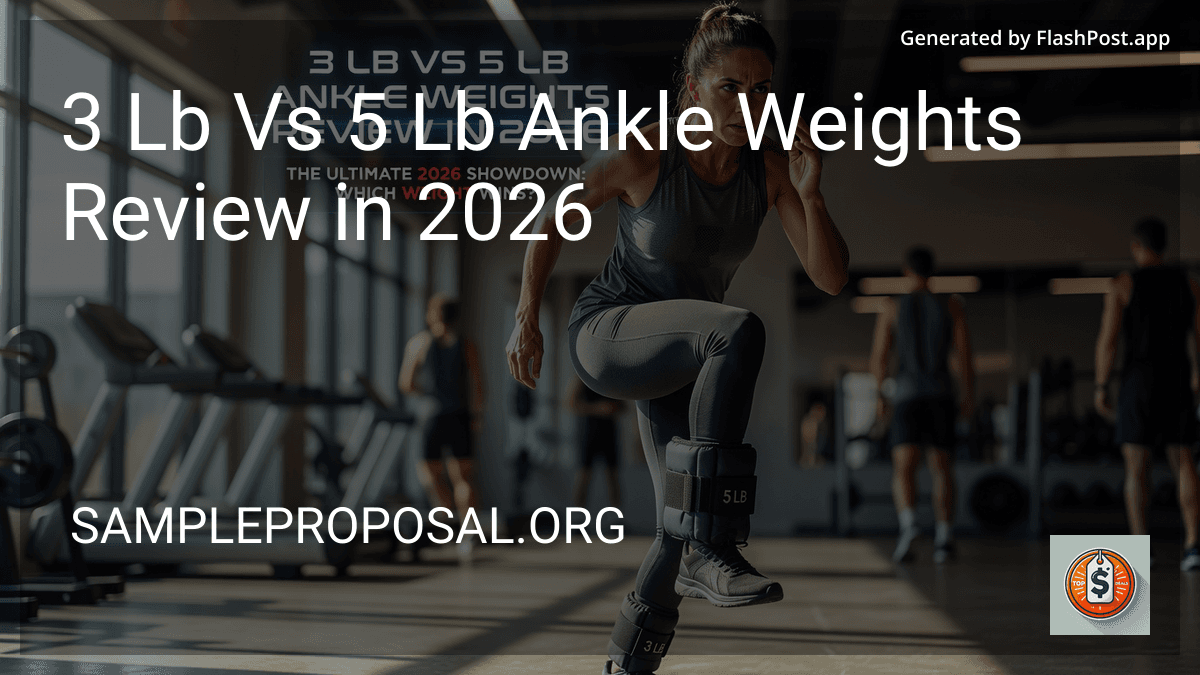
Best Wearable Ankle Weights in October 2026
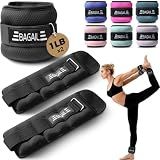
BAGAIL Ankle Wrist Weights for Women & Men, Set of 2 (1 lb Each, 2 lbs Total), Wearable Leg Arm Weights with Sleek Design & Secure Fit for Walking, Running, Pilates, Home Fitness - 1lb x 2, Black
- NON-BULKY DESIGN ENSURES COMFORT AND STABILITY DURING WORKOUTS.
- DURABLE CONSTRUCTION WITH REINFORCED STITCHING FOR LONG-LASTING USE.
- VERSATILE WEIGHTS ENHANCE STRENGTH TRAINING FOR VARIED FITNESS ROUTINES.


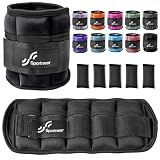
Sportneer Adjustable Ankle Weights Set - 1 Pair (2-10 lbs) Removable Sandbags for Women & Men, Comfortable Neoprene Leg Weights for Walking, Running, Pilates, Yoga, Home Workout & Physical Therapy
-
CUSTOMIZABLE WEIGHTS: ADJUST FROM 1-5 LBS FOR PERFECT RESISTANCE.
-
COMFORT FIT: FITS ANKLES 7.5 TO 12.5 INCHES; SECURE, BREATHABLE DESIGN.
-
DURABLE DESIGN: STRONG STRAPS AND D-RING PREVENT SLIPPING DURING WORKOUTS.
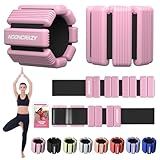
Pilates Wrist Ankle Weights for Women, Wearable Strong Arm & Leg Weights Set of 2(1Lbs Each), Adjustable Ankle Weights for Walking, Yoga, Dance, Barre, Gym
- ADJUSTABLE FIT: CUSTOMIZABLE STRAPS ENSURE COMFORT FOR ALL SIZES.
- DURABLE & FASHIONABLE: PREMIUM MATERIALS BLEND STYLE WITH FUNCTIONALITY.
- VERSATILE USE: PERFECT FOR VARIOUS WORKOUTS-ADAPT TO YOUR ROUTINE!
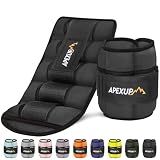
APEXUP 10lbs/Pair Adjustable Ankle Weights for Women and Men, Modularized Leg Weight Straps for Yoga, Walking, Running, Aerobics, Gym, Physical Therapy (Black)
-
PREMIUM COMFORT: SOFT, BREATHABLE SLEEVE MATERIAL FOR ULTIMATE WORKOUT EASE.
-
CUSTOMIZABLE WEIGHTS: ADJUST FROM 1 TO 5 LBS FOR TAILORED RESISTANCE TRAINING.
-
VERSATILE USE: PERFECT FOR VARIOUS EXERCISES LIKE YOGA, RUNNING, AND THERAPY.
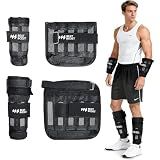
BeatBoost 15LB Adjustable Ankle & Wrist Weights, Leg Weights for Men
- SECURE YOUR WORKOUT WITH ANTI-SLIP DESIGN FOR ULTIMATE STABILITY.
- CUSTOMIZE YOUR FITNESS JOURNEY WITH ADJUSTABLE WEIGHT OPTIONS.
- DURABLE STEEL PLATES ENSURE LONG-LASTING PERFORMANCE AND SAFETY.
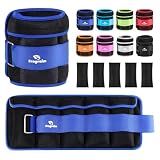
Adjustable Ankle Weights 1-5 LBS Pair with Removable Weight for Jogging, Gymnastics, Aerobics, Physical Therapy, Resistance Training|Each 0.5-2.5 LBS, Total 5LBS, Blue
-
CUSTOMIZABLE RESISTANCE: ADJUST FROM 1-5 LBS FOR ANY FITNESS LEVEL.
-
PREMIUM COMFORT: SOFT, BREATHABLE COTTON ENSURES DURABILITY DURING WORKOUTS.
-
SNUG FIT: QUICK-ADJUST STRAPS FOR A SECURE FIT ON ANY ANKLE OR WRIST.
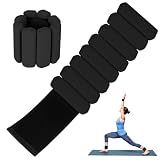
Wrist Weights Set of 2, Wearable Arm & Leg Weights for Women & Men, Adjustable Wrist Ankle Weights for Walking, Yoga, Swimming, Gym, 2lb (Black)
-
VERSATILE FITNESS TOOLS FOR ALL ACTIVITIES: YOGA, RUNNING, AND MORE!
-
ADJUSTABLE & SECURE FIT: COMFORTABLE USE FOR WRISTS OR ANKLES!
-
DURABLE SILICONE: SWEAT-PROOF DESIGN ENSURES LONG-LASTING COMFORT!
3 Lb Vs 5 Lb Ankle Weights Review in 2026 is more important than most people realize, because the wrong weight can turn a smart workout tool into a fast track to sore hips, cranky knees, and an ankle that hates you tomorrow.
I’ve trained with both sizes during walks, floor workouts, rehab-style leg raises, and low-impact cardio, and the difference is not subtle. Three pounds feels “light” until you keep it on for 20 minutes. Five pounds feels efficient until your form starts cheating.
If you’re stuck between the two, this guide will help you choose based on your goals, fitness level, joint tolerance, and the kind of workouts you actually do - not the ones you think you might do once and abandon.
3 Lb Vs 5 Lb Ankle Weights Review in 2026: The Quick Verdict
If you want the short answer, here it is:
- Choose 3 lb ankle weights if you’re a beginner, doing walking workouts, Pilates, barre, rehab exercises, mobility work, or longer sessions.
- Choose 5 lb ankle weights if you already have solid lower-body strength, you’re using them for short controlled sets, and your joints tolerate added load well.
- If you’ve had past ankle instability, start lighter and pay attention to fit, especially if you already use weak ankle strapping techniques during training.
That’s the practical answer.
The more nuanced answer is that the best ankle weight isn’t the heaviest one you can survive. It’s the one that lets you move with control, stay consistent, and actually target the muscles you want to train.
Who Should Buy 3 lb Ankle Weights vs 5 lb Ankle Weights?
This is where most reviews miss the mark. They compare specs, not real use.
3 lb ankle weights are better for most people
For the average person, 3 lb ankle weights hit the sweet spot. They add enough resistance to challenge your glutes, hip flexors, quads, and hamstrings without instantly changing your gait or pulling on your joints.
They’re especially useful for:
- Walking with ankle weights in short intervals
- Pilates and barre workouts
- Beginner leg lifts
- Glute kickbacks and side-lying abductions
- Post-injury reconditioning, with clearance from a professional
- Older adults who want light resistance training
In real-world use, 3 lb weights are also easier to tolerate for longer sessions. That matters, because a moderate load you’ll use three times a week beats a heavier load sitting in the closet.
5 lb ankle weights work best for a narrower group
5 lb ankle weights are not “bad.” They’re just more specialized.
They make more sense if you:
- Already do regular lower-body strength training
- Have good hip and knee control
- Want more challenge during short, isolated movements
- Use them for glute activation drills, donkey kicks, or slow standing leg work
- Aren’t planning to wear them for long walks or high-rep cardio sessions
In my experience, 5 lb weights can feel productive fast, but they also expose bad mechanics fast. If your pelvis rotates, your lower back arches, or your foot starts swinging instead of lifting with control, the load is too much for that movement.
3 Lb Vs 5 Lb Ankle Weights Review in 2026: What Actually Changes in Your Workout?
The jump from 3 lb to 5 lb doesn’t sound huge. On paper, it’s only 2 pounds.
On your ankle, during repeated motion, it’s a different story.
1. Range of motion changes
With 3 lb weights, most people can still complete a smooth range of motion during leg raises, side lifts, and controlled cardio. With 5 lb weights, the movement often gets shorter.
That reduced range can lower the quality of the exercise, especially in low-impact leg workouts where precision matters more than brute resistance.
2. Joint stress rises faster than expected
The extra load sits far from the hip joint, which increases leverage. That means even a small increase in ankle weight can create a noticeably bigger challenge for your hips, knees, and lower back.
This is why people with prior instability sometimes pair training caution with resources on ankle support for wrestlers or other sport-specific bracing concepts when they’re returning to loaded movement.
3. Muscle activation feels different
Three pounds tends to create a steady burn. Five pounds creates a sharper demand, especially in the hip flexors and glutes.
That sounds great, but only if the target muscle stays in charge. Once momentum takes over, you’re no longer getting better resistance training - you’re just dragging weight around.
4. Fatigue shows up sooner
This is the part buyers underestimate.
With 5 lb ankle weights, form often drops off after fewer reps, which can shorten the useful part of the workout. 3 lb ankle weights usually let you accumulate more quality volume, and for many goals - toning, endurance, joint-friendly strength - that’s the better tradeoff.
What to Look For in 3 Lb Vs 5 Lb Ankle Weights Review in 2026
Not all ankle weights feel the same, even at the same listed weight. Before you buy, check these features.
-
Secure fit
- The weight should stay snug without sliding down or twisting.
- A loose cuff can rub your skin and change movement mechanics.
-
Even weight distribution
- Balanced loading feels smoother during walking, leg lifts, and rehab work.
- Uneven filling creates annoying “flop,” especially in faster workouts.
-
Comfortable interior lining
- Soft padding matters if you sweat or wear them for more than 10 minutes.
- Rough seams become a big problem quickly.
-
Adjustability
- Some people need a tighter fit around a narrow ankle or over leggings.
- Adjustable closures help prevent slipping during home workout equipment use.
-
Low-profile shape
- Bulkier designs can bump into each other during walking or floor exercises.
- Slimmer cuffs usually feel more natural.
-
Durability
- Stitching and closure quality matter more than flashy styling.
- If the fastening weakens, the product becomes annoying fast.
-
Intended use
- Are you buying for walking, rehab, Pilates, strength work, or daily movement?
- The best resistance training for legs setup depends on the actual activity.
Benefits of Choosing the Right Ankle Weight
The right pick doesn’t just feel better. It changes your results.
Better movement quality
Using an appropriate weight helps you maintain cleaner reps, better posture, and more targeted muscle work. That’s especially important for glute exercises with ankle weights and hip strengthening exercises.
More consistency
If a weight feels manageable, you’re more likely to use it regularly. Consistency beats intensity spikes every time.
Lower injury risk
Too much load at the ankle can irritate the knees, hips, or lower back. If you play court sports, it’s also worth understanding related support options like protective gear for volleyball ankles and eco-friendly volleyball ankle braces if ankle stability is already on your radar.
More exercise variety
A lighter cuff opens the door to more movement patterns. You can use it for floor work, standing series, walking drills, and ankle weight exercises for women and men without feeling overloaded.
Smarter progression
Starting with 3 lb often gives you room to master form first. Then, if you truly need more resistance later, moving to 5 lb makes sense.
3 Lb Vs 5 Lb Ankle Weights Review in 2026 for Walking, Pilates, Strength, and Rehab
Your best option depends heavily on what you’re doing.
For walking workouts: 3 lb wins
If you plan to use ankle weights while walking, 3 lb is the safer and more practical choice for most people. Five pounds can alter stride mechanics too much, especially over longer distances.
That doesn’t mean walking with ankle weights is automatically ideal. It means if you do it, lighter and shorter is usually smarter.
For Pilates and barre: 3 lb almost always wins
Pilates-style pulses, controlled lifts, and long time-under-tension sets pair better with 3 lb ankle weights. The goal is control, not swinging.
For these workouts, 5 lb often overwhelms the intended movement quality.
For isolated glute and leg strength: tie, depending on experience
If you’re doing slow kickbacks, hamstring curls, or side leg raises, either weight can work. Beginners should still start with 3 lb, while stronger users may benefit from 5 lb during short sets.
The key is whether you can pause at the top and lower slowly. If not, drop down.
For rehab-style exercises: 3 lb or less
If you’re recovering from an issue, lighter is the obvious call. In many rehab settings, even 3 lb may be more than enough.
💡 Did you know: In rehab and corrective exercise, tiny load increases can feel enormous because the lever arm at the ankle magnifies resistance. More weight is not automatically better progress.
Pro Tips: Expert Recommendations Before You Buy
After using ankle weights across different routines, these are the tips that matter most.
Start lighter than your ego wants
People consistently overestimate what they need. If you’re debating between 3 lb and 5 lb, and you’ve never trained with ankle weights before, 3 lb is usually the better first purchase.
Test them on your hardest movement, not your easiest one
Anyone can march in place for 20 seconds and think, “This feels fine.” The real test is whether you can control side leg raises, straight-leg lifts, or standing abductions without compensating.
Don’t wear them for everything
Ankle weights are a tool, not a default setting. Use them selectively in workouts where the extra resistance improves the movement.
Watch for red-flag form issues
Stop or reduce weight if you notice:
- Swinging instead of lifting
- Leaning through the torso
- Lower back arching
- Knee discomfort
- Hip pinching
- Ankle rubbing or instability
Pro tip: If the cuff keeps shifting, the problem may not be your ankle size - it may be the shape and padding of the weight itself.
Consider adjustability if you’re unsure
If you’re on the fence, look for adjustable models or browse affordable ankle weights discounts so you can experiment without overspending on the wrong setup.
How to Get Started With the Right Ankle Weight
You don’t need a complicated plan. You need a smart first week.
Step 1: Match the weight to your main goal
Choose 3 lb for:
- Walking
- Pilates
- Barre
- Beginner strength
- Mobility work
- Longer sessions
Choose 5 lb for:
- Short isolated strength sets
- Experienced users
- Controlled glute-focused training
- Limited reps with strict form
Step 2: Use short sessions first
Start with 10 to 15 minutes or just 2 to 3 exercises. Your joints and stabilizers need time to adapt.
Step 3: Pick 3 to 4 controlled movements
Good starter moves include:
- Standing leg abductions
- Glute kickbacks
- Straight-leg raises
- Bent-knee hamstring curls
- Marching in place for short intervals
Step 4: Progress by time or reps before weight
This is where people go wrong. Instead of jumping straight from 3 lb to 5 lb, first increase:
- Reps
- Time under tension
- Pause length
- Workout consistency
- Control and range of motion
Step 5: Reassess after two weeks
Ask yourself:
- Are the workouts still controlled?
- Do your joints feel okay the next day?
- Are you using momentum?
- Are you avoiding certain exercises because the weight feels annoying?
Your answer will tell you whether to stay put, scale back, or move up.
So, Which One Should You Choose?
For most buyers reading a 3 Lb Vs 5 Lb Ankle Weights Review in 2026, the smartest answer is 3 lb.
It’s more versatile, more joint-friendly, and more likely to support consistent training across walking, toning, Pilates, mobility work, and beginner strength. 5 lb ankle weights are worth considering only if you already know you tolerate loaded lower-body work well and you’ll use them for controlled, shorter sets.
If you want the best results, pick the weight you can use with perfect form this week - not the weight that sounds tougher on paper. Then put it on, run a few controlled sessions, and let your body tell you the truth.
Frequently Asked Questions
are 3 lb or 5 lb ankle weights better for beginners?
For beginners, 3 lb ankle weights are usually better because they’re easier to control and less likely to disrupt your form. They also work well for walking, Pilates, and basic leg exercises without putting as much stress on the joints.
can you wear 5 lb ankle weights while walking every day?
Most people shouldn’t wear 5 lb ankle weights for daily walking, especially for longer sessions. They can change your gait and add unnecessary stress to your knees, hips, and lower back if your body isn’t prepared for that load.
do ankle weights actually help tone your legs and glutes?
Yes, ankle weights can help increase muscular endurance and make leg and glute exercises more challenging. They work best when you use them for controlled movements and pair them with good form, rather than relying on momentum.
which is better for Pilates, 3 lb vs 5 lb ankle weights?
For Pilates, 3 lb ankle weights are usually the better choice because they allow smoother, more precise movement. Five pounds often becomes too heavy for the small, controlled patterns that make Pilates effective.
should i buy adjustable ankle weights or fixed 3 lb and 5 lb pairs?
If you’re unsure what level feels best, adjustable ankle weights are often the smarter buy because they let you progress gradually. Fixed pairs are great if you already know your ideal resistance and want a simpler, grab-and-go option.