
Best Artificial Intelligence (AI) Books to Buy in October 2026

Co-Intelligence: Living and Working with AI



Nexus: A Brief History of Information Networks from the Stone Age to AI

Artificial Intelligence For Dummies (For Dummies (Computer/Tech))

The Coming Wave: AI, Power, and Our Future
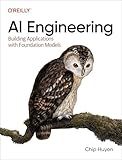
AI Engineering: Building Applications with Foundation Models
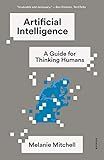
Artificial Intelligence
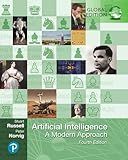
Artificial Intelligence: A Modern Approach, Global Edition
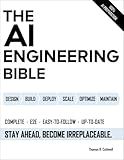
The AI Engineering Bible: The Complete and Up-to-Date Guide to Build, Develop and Scale Production Ready AI Systems
Empire of AI: Dreams and Nightmares in Sam Altman's OpenAI
In the rapidly evolving landscape of software development, artificial intelligence (AI) stands at the forefront as a revolutionary tool. By 2025, the adoption of AI for bug detection in code is expected to change the way developers approach problem-solving and quality assurance. This article delves into the role of AI in identifying bugs more efficiently, enhancing overall productivity, and the skills developers need to thrive in this AI-integrated environment.
The Evolution of AI in Bug Detection
Current Trends
Currently, developers spend a significant amount of their time identifying and fixing bugs, an inherently tedious and error-prone process. AI is transforming this by introducing intelligent automation to detect and resolve issues faster. With machine learning algorithms and neural networks, AI systems can analyze vast amounts of code, learn from historical data, and predict potential errors with unprecedented accuracy.
The Future: 2025 and Beyond
By 2025, AI-powered tools are expected to become even more sophisticated, offering real-time bug detection capabilities as developers write code. This real-time feedback loop will enable them to fix issues immediately, thereby reducing time-to-market and improving code quality.
Choosing the Right AI Tools
Deciding on the right AI tools for bug detection involves several considerations:
1. Compatibility and Integration
Before selecting an AI tool, ensure it is compatible with your existing development environment. Seamless integration is crucial for maximizing the benefits of AI in your workflow.
2. User-Friendliness
A tool with an intuitive user interface can significantly reduce the learning curve, allowing developers to focus more on coding rather than troubleshooting the tool itself.
3. Scalability
Choose tools that can grow with your organization's needs. As your codebases grow, the tool should efficiently handle increased loads without compromising on performance.
4. Customizability
The ability to tailor AI tools to cater to specific project requirements can enhance productivity. Ensure that the tool you choose offers customizable features to address unique challenges.
Preparing for the AI-Driven Future
Developers should continuously upskill to remain relevant in an AI-driven industry. Building a strong foundation in coding and algorithms is crucial. Beginners can enhance their preparation through resources like coding interview tips for beginners and delve deeper into coding algorithms learning.
Embrace AI with the Right Mindset
In 2025 and beyond, developers should embrace AI not as a replacement but as a powerful ally that amplifies their capabilities. Tools like Windsurf Developer Tool offer insights into enhancing productivity and ensuring code reliability. Discover more about AI-driven development tools here and here.
Conclusion
AI is set to revolutionize bug detection in coding by 2025, heralding an era of unprecedented efficiency and innovation. Developers who equip themselves with the right tools and knowledge will lead the charge in this exciting new chapter of software development. Stay ahead by choosing the right AI tools, continually upskilling, and adopting a mindset open to technological advancements.
Discover even more exciting insights and updates about the software development world as AI continues to shape its future.