
Best Photo Scanners to Buy in October 2026
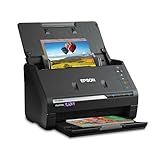
Epson FastFoto FF-680W High-Speed Duplex Photo and Document Scanner
- SCAN 36 PHOTOS AT ONCE: BOOST EFFICIENCY WITH BATCH SCANNING.
- PRESERVE MEMORIES: TRANSFORM AND SHARE OLD PHOTOS EASILY.
- AUTO-ENHANCEMENT FEATURES: REVITALIZE IMAGES WITH PRECISE TECH.


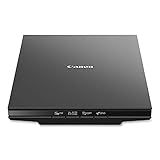
Canon Canoscan Lide 300 Scanner (PDF, AUTOSCAN, Copy, Send)
- AUTO SCAN MODE: EFFORTLESSLY DETECTS AND SCANS DOCUMENTS.
- USB CONNECTIVITY: EASY PLUG-AND-PLAY SETUP FOR ANY DEVICE.
- DIGITIZE EASILY: PRESERVE DOCUMENTS AND IMAGES WITH CLARITY.
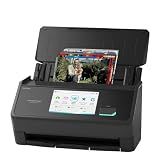
ScanSnap iX2500 Photo Edition Wireless or USB High-Speed Scanner, Black
-
STREAMLINE YOUR MEMORIES: SCAN 100 PHOTOS/MIN WITH EASE!
-
EFFORTLESS ORGANIZATION: AUTOMATICALLY OPTIMIZE AND SORT SCANNED FILES.
-
INSTANT CONNECTIVITY: WI-FI 6 AND USB-C FOR SEAMLESS SHARING OPTIONS.
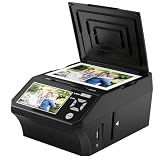
DigitPro Photo, Slide & Negative Scanner with 5” Large Screen
-
CONVERT OLD PHOTOS TO DIGITAL INSTANTLY-NO TECH SKILLS NEEDED!
-
ENJOY A VIVID 5” HD SCREEN FOR EASY PREVIEW AND EDITING OF IMAGES.
-
COMPLETE BUNDLE WITH WARRANTY; EVERYTHING YOU NEED TO START SCANNING!
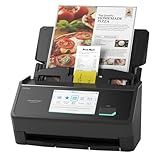
ScanSnap iX2500 Wireless or USB High-Speed Document Scanner, Black
- FAST 45PPM SCANNING; TACKLE ANY DOCUMENT WITH EASE AND SPEED!
- CUSTOMIZABLE PROFILES FOR QUICK SHARING TO MULTIPLE DEVICES AND CLOUDS.
- STABLE WI-FI 6 CONNECTION ENSURES SECURE AND SEAMLESS SCANNING ALWAYS.
Introduction
In 2026, preserving your cherished memories through photo scanning has become as common as uploading pictures to the cloud. Digitizing your old photographs ensures they are protected from the ravages of time and physical degradation. But how do you start this journey? Whether you’re looking to archive family photos or add a personal touch to digital projects, understanding how to scan photos efficiently is essential. In this guide, we'll walk you through the process, emphasizing the role of the photo scanner, and provide tips to ensure high-quality digital images.
Benefits of Scanning Photos
- Preservation: Digitizing your photos protects them from physical decay over time.
- Accessibility: Digital photos are easy to access and share via email or social media.
- Space Saving: Converting physical photos to digital formats reduces clutter.
- Enhanced Editing: Digital images can be easily enhanced or retouched to improve quality.
How Does a Photo Scanner Work?
A photo scanner is a critical tool designed specifically to convert physical photographs into digital files. Here's how it generally works:
- Resolution: Scanners capture images at various DPI (dots per inch), affecting the quality and clarity of digital renditions.
- Color Depth: This measures the color accuracy, enabling realistic digital reproductions.
- Speed: Modern scanners feature faster processing, making the scanning of batches of photos quicker and more efficient.
How to Scan Photos: A Step-by-Step Guide
Step 1: Preparing Your Photos
Before scanning, dust off your photos to ensure no particles interfere with the scanning process. Stapled or bound photographs should be carefully separated to avoid feeding issues.
Step 2: Configuring Your Scanner Settings
- Set Resolution: For high-quality results, set your scanner to at least 300 DPI for printing purposes or 600 DPI for high-resolution archival.
- Select File Format: JPEGs are suitable for everyday use, while TIFFs are preferable for professional quality due to their non-compression nature.
Step 3: Scanning the Photos
Place the photograph on the scanner bed, ensuring it's aligned properly to avoid crooked or skewed scans. Close the lid gently to prevent shifting.
Step 4: Editing and Saving
Post-scanning, utilize basic editing tools to crop, adjust brightness, and balance color. Always save edited photos in a separate folder for easy access.
How to Choose the Right Photo Scanner
When deciding on a photo scanner, consider these essential factors to make a well-informed choice:
- Resolution: Choose a scanner offering at least 300 DPI for everyday scanning and higher if you require professional-grade images.
- Portability: If you need to scan on-the-go, a lightweight, compact scanner will be advantageous.
- Compatibility: Verify that the scanner is compatible with your operating systems and relevant applications.
- Ease of Use: User-friendly interfaces and straightforward setup make the process more streamlined.
- Budget: Balance your needs with your budget. Explore affordable scanner offers to find deals without compromising on quality.
- Additional Features: Look for scanners with automatic feed, duplex scanning, and cloud connectivity.
For a broader understanding of prices, explore the document scanner price landscape and find the best option within your budget.
FAQs
What is the ideal DPI for scanning photos?
A minimum of 300 DPI is recommended for general use, while 600 DPI or higher should be used for archiving and detailed work.
How can I enhance scanned photo quality?
After scanning, images can be enhanced using software to adjust brightness, contrast, and colors. Advanced users may employ dedicated photo editing tools.
Can all types of photos be scanned?
Most photos, including glossy, matte, or textured surfaces, can be scanned. However, delicate or damaged photos might require professional services.
What if my scanner doesn't support certain file types?
Ensure you're using updated scanning software that supports conversion to the required file formats. Otherwise, additional software may be necessary to perform conversions. For software issues, checking resources about ignoring files, such as this guide on sonarqube scanner, might offer useful insights.
Conclusion
Scanning photos effectively in 2026 revolves around understanding your needs and the functionalities of your photo scanner. Armed with these insights, you're now ready to embark on a journey to preserve your treasured pictures digitally, ensuring they remain a part of your legacy for generations to come. Whether you're safeguarding family stories or capturing history for posterity, a well-executed scan can keep your memories vivid and enduring.