Best Project Planning Tools to Buy in October 2026
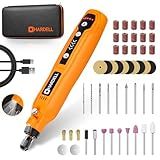
HARDELL Mini Cordless Rotary Tool, 5-Speed and USB Charging Rotary Tool Kit with 69 Accessories, Multi-Purpose 3.7V Power Rotary Tool for Sanding, Polishing, Drilling, Etching, Engraving, DIY Crafts
-
VERSATILE TOOL FOR ALL CRAFTS: 69 ACCESSORIES FOR ENDLESS DIY PROJECTS.
-
CUSTOMIZABLE SPEED CONTROL: 5-SPEED SETTINGS FOR PRECISION ON ANY TASK.
-
BEGINNER-FRIENDLY DESIGN: EASY SETUP WITH GUIDES AND TUTORIALS INCLUDED.


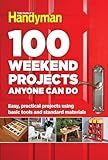
100 Weekend Projects Anyone Can Do: Easy, practical projects using basic tools and standard materials (Family Handyman 100)
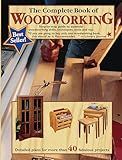
The Complete Book of Woodworking: Step-by-Step Guide to Essential Woodworking Skills, Techniques, Tools and Tips (Landauer) Over 40 Easy-to-Follow Projects and Plans, 200+ Photos, and Carpentry Basics
- QUALITY ASSURANCE: ENJOY READING WITH MINIMAL WEAR AND TEAR.
- AFFORDABLE PRICING: SAVE MONEY WHILE BUILDING YOUR BOOKSHELF.
- ECO-FRIENDLY CHOICE: SUPPORT SUSTAINABILITY BY REUSING BOOKS!
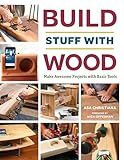
Build Stuff with Wood: Make Awesome Projects with Basic Tools
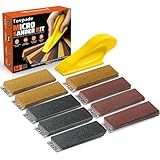
TOVPADE 54PCS Premium Micro Sander, Detail & Mini Sander Block – Precision Small Hand Sanding Tool, 80–800 Grit Sandpaper Kit, 3-in-1 Set for Wood, Crafts, Furniture, Tight Spaces & DIY Projects
- ALL-IN-ONE KIT: 54 SANDPAPERS & SANDING BLOCK FOR ALL DETAIL NEEDS!
- SMART COLOR-CODED GRIT SYSTEM ENSURES QUICK AND ACCURATE SANDING.
- QUICK-SWAP DESIGN FOR INSTANT PAPER CHANGES & UNINTERRUPTED WORK!

Wood Shop: Handy Skills and Creative Building Projects for Kids
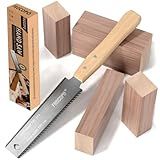
Frocopo Hand Saw Woodworking Tools, 6-Inch Pull Saw, Flexible Double-Edge Blade 17/11 TPI, Japanese Flush Cut for DIY Craft, Non-Slip Wood Handle, Sharp & Lightweight for Woodworking and Garden Trim
-
PRECISION CUTS WITH ERGONOMIC DESIGN FOR EFFORTLESS WOODWORK.
-
DOUBLE-EDGED BLADE FOR QUICK, SMOOTH FINISHES ON ALL TASKS.
-
LIFETIME WARRANTY ENSURES QUALITY AND PEACE OF MIND WITH EVERY PURCHASE.
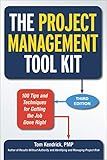
The Project Management Tool Kit: 100 Tips and Techniques for Getting the Job Done Right
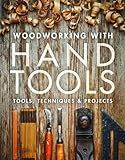
Woodworking with Hand Tools: Tools, Techniques & Projects
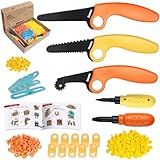
ZLemma Cardboard Construction Kit - 401 PCS Kids Building Set with Safe Serrated Cutter, Crease Roller, Screws & Nuts, STEM Upcycled Tool for DIY Cardboard Projects, Engineering & Creativity
- SAFETY FIRST: ERGONOMIC GRIP RING ENSURES SECURE AND STABLE HANDLING.
- ALL-IN-ONE KIT: 401-PIECE SET FOR LIMITLESS CREATIVITY AND ASSEMBLY FUN.
- SMART STORAGE: REUSABLE GIFT BOX KEEPS TOOLS ORGANIZED AND ECO-FRIENDLY.
Writing a functional group project proposal involves clearly outlining the objectives, timeline, budget, and resources needed for the project. Start by defining the problem or opportunity that the project aims to address. Next, describe the goals and objectives of the project, along with the expected outcomes and benefits.
Include a detailed timeline that outlines key milestones and deadlines for the project. This will help ensure that the project stays on track and is completed in a timely manner. Additionally, outline the budget for the project, including any funding sources and how the funds will be allocated.
Describe the resources needed for the project, such as personnel, equipment, and materials. Include details on how these resources will be obtained and utilized throughout the project.
Lastly, make sure to communicate the potential impact of the project and why it is important. Provide a compelling rationale for why the project should be approved and how it aligns with the overall goals and objectives of the organization.
By following these guidelines, you can create a comprehensive and persuasive functional group project proposal that effectively communicates the importance and feasibility of the project.
What is the follow-up process after submitting a functional group project proposal?
After submitting a functional group project proposal, the follow-up process typically involves the following steps:
- Confirmation of receipt: The project proposal coordinator or committee will confirm receipt of the proposal and may provide an estimated timeline for review and decision-making.
- Review and evaluation: The proposal will be reviewed by the relevant stakeholders or committee members to assess its feasibility, impact, and alignment with organizational goals. They may also seek additional information or clarification from the project team.
- Decision-making: A decision will be made on whether to move forward with the project proposal. This decision may involve discussions, negotiations, and potentially revisions to the proposal.
- Communication of decision: The project team will be informed of the decision, whether it is approved, rejected, or requires further revisions. Feedback may be provided to help improve the proposal for future submissions.
- Implementation planning: If the proposal is approved, the project team will work on developing a detailed implementation plan, including timelines, resources, and milestones. They may also secure necessary approvals, funding, and support.
- Monitoring and evaluation: Throughout the implementation of the project, regular monitoring and evaluation will be conducted to ensure that objectives are being met and any issues are addressed in a timely manner.
- Reporting and documentation: The project team will be required to provide regular updates on the progress of the project, including any challenges and successes. A final report may be submitted at the completion of the project.
Overall, the follow-up process after submitting a functional group project proposal is focused on communication, decision-making, planning, implementation, and evaluation to ensure the successful execution of the project.
How to outline the goals and objectives in a functional group project proposal?
- Start by clearly defining the purpose of the project and the specific goals that need to be achieved. This could include outlining the problem that the project aims to solve or the opportunity it aims to capitalize on.
- List the objectives that will help achieve each goal. Objectives should be specific, measurable, achievable, relevant, and time-bound (SMART). Be sure to include concrete deliverables and outcomes that will demonstrate the project's success.
- Prioritize the goals and objectives based on their importance and the order in which they need to be accomplished. Consider creating a timeline or Gantt chart to visualize how the goals and objectives will be achieved over time.
- Clearly communicate the goals and objectives to all members of the group. Make sure everyone understands their role in achieving these goals and how their individual contributions will contribute to the overall success of the project.
- Continuously monitor and evaluate progress towards the goals and objectives throughout the project. Make adjustments as needed to ensure that the project stays on track and meets its intended outcomes.
- Consider including a section in the proposal that outlines how the success of the project will be measured. This could include key performance indicators (KPIs) or other metrics that will be used to track progress and evaluate the project's impact.
- Finally, be sure to include a conclusion that summarizes the goals and objectives of the project and reinforces why they are important. This will help to create a sense of urgency and motivation among the group members to work towards achieving these goals.
How to ensure the proposal is cohesive and flows logically in a functional group project proposal?
- Establish clear objectives and goals for the proposal: Before starting on the proposal, it is important for the group to have a clear understanding of the objectives and goals that need to be achieved. This will help ensure that all sections of the proposal are focused and aligned with the overall purpose.
- Assign roles and responsibilities: Divide the tasks among group members according to their strengths and expertise. Assigning specific roles and responsibilities will help ensure that each section of the proposal is well-thought-out and logically connected.
- Develop an outline: Create an outline for the proposal that includes all the key sections and points that need to be covered. This will provide a roadmap for the group to follow and ensure that the proposal flows logically from one section to the next.
- Collaborate effectively: Encourage open communication and collaboration among group members throughout the proposal development process. Regular meetings and updates will help ensure that all ideas are heard and that the proposal remains cohesive and consistent.
- Use transition phrases: Include transition phrases and sentences between sections to help the proposal flow smoothly and logically. These phrases can help guide the reader through the proposal and make connections between different ideas and sections.
- Edit and revise: Once the proposal is complete, make sure to edit and revise it carefully to ensure that it is cohesive and flows logically. Look for any inconsistencies or gaps in the argument and make necessary adjustments to improve the overall coherence of the proposal.
- Seek feedback: Before finalizing the proposal, seek feedback from other group members or external stakeholders. Getting input from others can help identify any areas that may need improvement and ensure that the proposal is cohesive and well-structured.
By following these tips, a functional group project proposal can be developed that is cohesive, logical, and effectively communicates the group's ideas and objectives.