Best Aquarium Gravel in October 2026
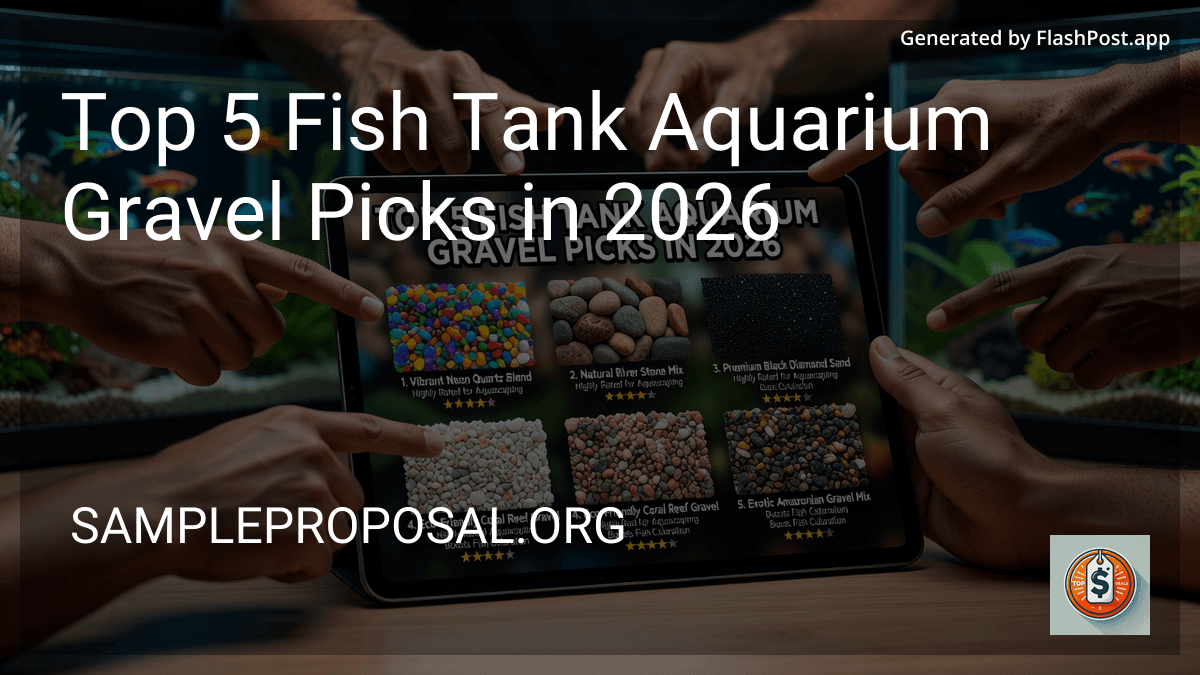
Aqua Natural Aquarium Substrate, Gold Pearl Gravel, 10lb
- 100% NATURAL, AQUARIUM-SAFE GRAVEL FOR VIBRANT AQUATIC HABITATS!
- TRIPLE WASHED FOR OPTIMAL CLARITY AND PURITY IN AQUATIC ENVIRONMENTS!
- UNIQUE NEW ZEALAND PEBBLES OFFER STUNNING COLORS AND SMOOTH TEXTURES!


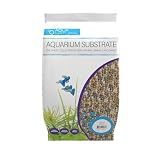
Fluval Plant and Shrimp Stratum Aquarium Substrate - 8.8 lb Bag
- BOOSTS ROOT GROWTH FOR HEALTHIER, THRIVING AQUATIC PLANTS.
- SUPPORTS BENEFICIAL BACTERIA FOR OPTIMAL BIOLOGICAL FILTRATION.
- IDEAL PH BALANCE FOR TROPICAL FISH AND SHRIMP HABITATS.
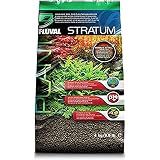
Aqua Natural Aquarium Substrate, Diamond Black Fine Gravel, 10lb
- SAFE FOR AQUATIC LIFE: 100% NATURAL MATERIAL ENSURES FISH-FRIENDLY HABITATS.
- BOOSTS BENEFICIAL BACTERIA: LARGE SURFACE AREA PROMOTES HEALTHY ECOSYSTEMS.
- STUNNING VISUAL APPEAL: SPARKLING QUARTZ ENHANCES YOUR AQUARIUM'S BEAUTY.
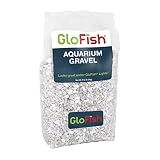
GloFish Aquarium Gravel, Pearlescent, 5 lbs
- VIBRANT COLORS ENHANCE YOUR AQUARIUM'S AESTHETIC APPEAL.
- GLOWS UNDER BLUE LED LIGHTS FOR A STUNNING EFFECT.
- PERFECTLY COMPLEMENTS GLOFISH PLANTS AND ORNAMENTS.
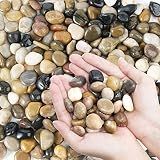
OUPENG Pebbles Polished Gravel, Natural Polished Mixed Color Stones,0.5-1.2inch Small Decorative River Rock Stones 2 Pounds (32-Oz)
- NATURAL BEAUTY: VARIETY OF COLORS; RESISTS FADING FOR LASTING APPEAL.
- VERSATILE USE: PERFECT FOR INDOOR/OUTDOOR DECOR, GARDENS, AND WALKWAYS.
- SOFT & SAFE: NO SHARP EDGES; IDEAL FOR FOOT TRAFFIC AND PET-FRIENDLY SPACES.
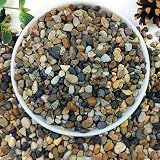
YISZM 20lbs Natural River Rocks, 1/4" Aquarium Gravel Small Rocks
-
NATURAL & NON-TOXIC: SAFE FOR FISH TANKS AND GARDENS, NO HARMFUL ADDITIVES.
-
ENHANCES PLANT HEALTH: IMPROVES DRAINAGE, PREVENTING ROOT ROT IN POTTED PLANTS.
-
VERSATILE DECOR: PERFECT FOR DIY PROJECTS, VASES, AND GARDEN AESTHETICS.
YISZM 5lbs Aquarium Gravel, 1/4" Fish Tank Gravel Natural River Rocks
- SAFE, NON-TOXIC GRAVEL ENHANCES FISH AND TURTLE TANK ENVIRONMENTS.
- IMPROVE PLANT HEALTH WITH DRAINAGE ROCKS THAT PREVENT ROOT ROT.
- VERSATILE FOR HOME DECOR AND OUTDOOR LANDSCAPING PROJECTS.
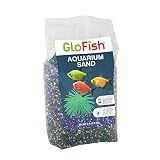
GloFish Aquarium Sand, Black with Fluorescent Accents, 5 lbs
- VIBRANT BLACK SAND ENHANCES YOUR GLOFISH DECOR BEAUTIFULLY.
- FLUORESCENT ACCENTS ILLUMINATE UNDER BLUE LED LIGHTS.
- PERFECT SUBSTRATE FOR GLOFISH PLANTS AND ORNAMENTS TO SHINE.
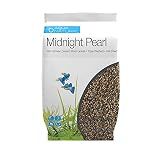
Aqua Natural Aquarium Substrate, Midnight Pearl Gravel, 10lb
-
TRIPLE WASHED & KILN DRIED: PURE, TOXIN-FREE SUBSTRATE FOR AQUARIUMS.
-
CONSISTENT SIZING: EVENLY GRADED 2-4MM FOR A POLISHED AQUASCAPE.
-
SUSTAINABLY SOURCED: ETHICALLY HARVESTED FOR ECO-FRIENDLY AQUARIUMS.
If you’re searching for the Top 5 Fish Tank Aquarium Gravel Picks in 2026, here’s the short version: the best gravel isn’t the brightest bag on the shelf-it’s the one that keeps waste from trapping, won’t spike water chemistry, and fits your fish’s behavior. In mixed community tanks, I’ve consistently seen rounded 2–5 mm gravel outperform ultra-fine and extra-large stones because it balances root support, debris control, and easy siphoning.
A bad substrate choice shows up fast. Cloudy water after every water change, uneaten food stuck between oversized pebbles, scratched bottom-dwellers, and plants that won’t anchor are all classic signs that your aquarium gravel substrate is working against you, not for you.
This guide breaks down the Top 5 Fish Tank Aquarium Gravel Picks in 2026, how we selected them, which type makes sense for your tank size and fish, and the review patterns that separate genuinely good gravel for aquarium setups from overpriced disappointments.
How we select products: Our team reviews products daily, analyzing customer ratings (4.0+ stars minimum), pricing trends, discount history, consistency of grain size, rinse time, and real buyer feedback to surface items that provide the best value. We also compare how each fish tank aquarium gravel option performs for planted tanks, community fish, bottom feeders, and routine cleaning with an aquarium gravel vac.
Why the Top 5 Fish Tank Aquarium Gravel Picks in 2026 look different from older recommendations
Five years ago, a lot of “best gravel” lists rewarded color variety over tank function. In 2026, the better picks prioritize inert material, smoother edges, and more consistent grain size, because those three factors affect fish safety and maintenance more than aesthetics.
That shift matters if you keep corys, loaches, shrimp, or rooted plants. Sharp-edged aquarium fish gravel can wear barbels, while painted gravel with inconsistent coating gets more complaints about fading and rinse cloudiness in long-term use.
How we picked these Top 5 Fish Tank Aquarium Gravel Picks in 2026
I narrowed the list using four practical filters that actually matter once the gravel is in your tank for six months, not six minutes.
1) Grain size that works with real maintenance
The sweet spot for most tanks is 2–5 mm. That size lets debris settle near the surface instead of disappearing too deep, so a gravel vacuum for aquarium cleaning can remove waste without pulling half your substrate into the bucket.
2) Material that stays chemically stable
For most freshwater community tanks, inert aquarium substrate gravel is the safest default. If your tap water is already hard, avoid gravel that raises pH or KH unless you’re intentionally building a setup for livebearers or African cichlids.
3) Review consistency, not just star averages
A 4.6-star average means less if half the complaints mention dusty bags or jagged pieces. The stronger performers had repeated praise for low rinse time, uniform pebble shape, and less clouding after setup.
4) Cleaning compatibility
The best gravel in aquarium setups are easy to maintain with a gravel vac for aquarium or standard siphon. Substrates that are too light get sucked up; substrates that are too chunky let waste vanish into deep gaps and rot.
The Top 5 Fish Tank Aquarium Gravel Picks in 2026, ranked by tank type and real-world use
Below is the definitive ranking. If you want one answer fast, the best all-around choice is natural rounded medium gravel in the 2–5 mm range.
| Rank | Best For | Gravel Type | Ideal Tank Setup | Main Advantage | Main Tradeoff |
|---|---|---|---|---|---|
| 1 | Best overall | Natural rounded medium gravel | Community tanks, planted beginner tanks | Easiest balance of looks, cleaning, and fish safety | Not as dramatic-looking as dyed gravel |
| 2 | Best for planted tanks | Nutrient-friendly dark gravel blend | Rooted plants, aquascapes | Better contrast and root anchoring | Can cost more per pound |
| 3 | Best budget pick | Standard inert mixed-color gravel | Starter tanks, kids’ tanks | Affordable and widely available | Grain consistency can vary |
| 4 | Best for bottom feeders | Smooth fine gravel/mini pebble | Corys, loaches, shrimp-safe communities | Gentler on sensitive fish | Waste shows more visibly |
| 5 | Best for large tanks | Heavy coarse gravel | Big aquariums with strong filtration | Stays put during deep siphoning | Traps more debris if too oversized |
1. Natural rounded medium gravel - Best overall
This is the safest recommendation for most readers looking for the Top 5 Fish Tank Aquarium Gravel Picks in 2026. In a standard aquarium with gravel, medium rounded stones are easy to rinse, easy to siphon, and much less likely to compact than fine substrates.
If you keep tetras, rasboras, gouramis, livebearers, or peaceful community fish, this is the most forgiving gravel aquarium base. It also pairs well with rooted plants that don’t need a specialty substrate under every inch of the tank.
2. Nutrient-friendly dark gravel blend - Best for planted tanks
For planted setups, darker gravel fish aquarium substrates usually make fish colors pop more and help hide light debris between cleanings. The best versions combine rounded texture with enough density to anchor roots firmly.
I’ve had the best long-term results with dark gravel in tanks where plants need stable footing but I still want to use a vacuum aquarium gravel routine once a week. It’s a smart middle ground between decorative gravel and full aquasoil.
3. Standard inert mixed-color gravel - Best budget option
The best budget gravel is simple, inert, and consistently sized. If the reviews show 4.5+ stars and strong feedback on rinse clarity, this type usually delivers the best beginner value in the Top 5 Fish Tank Aquarium Gravel Picks in 2026.
For first-time setups, this is often enough. You can always upgrade décor, filtration, or lighting later, but unstable substrate causes maintenance headaches from day one.
4. Smooth fine gravel or mini pebble - Best for bottom feeders
If your tank includes cory catfish, kuhli loaches, or shrimp, smoother and smaller aquarium gravel substrate is usually worth it. Bottom-dwellers interact with the substrate constantly, so texture matters more than color.
This is one area where “pretty” gravel loses to practical gravel. Rough chips and angular stones generate too many complaints in tanks with fish that sift the bottom for food.
5. Heavy coarse gravel - Best for larger aquariums
In larger tanks with stronger flow, heavier gravel can make maintenance easier because it stays in place during siphoning. That said, stones that are too large create deep pockets where food and mulm collect, forcing more aggressive use of aquarium gravel vacuums.
Use this style only if your filtration is strong and you’re committed to regular substrate cleaning. Otherwise, medium gravel is still the safer pick.
Best options under $25, the $25–$50 sweet spot, and when premium gravel is actually worth it
Most buyers shop by budget first, so here’s the practical breakdown.
Under $25: best for nano tanks, quarantine tanks, and basic starter setups
At this tier, the smartest move is plain inert gravel for aquarium use with uniform sizing. For 5–10 gallon tanks, you don’t need elaborate substrate systems; you need gravel that rinses clean and doesn’t alter your water.
This is also where a lot of people overbuy décor and underbuy substrate depth. Even a small tank usually needs 1.5 to 2 inches of gravel to look finished and support plants or decorations properly.
$25–$50: the sweet spot for most hobbyists
This range usually gives you better grain consistency, cleaner bags, and fewer dusty batches. If you’re setting up a 20–40 gallon tank, this is where the best value sits for aquarium substrate gravel.
If you’re also comparing full setup costs, check https://topdealsnet.com for broader substrate deal coverage.
Premium over $50: only worth it for planted displays or large aquascapes
Premium gravel becomes worthwhile when you need a very specific look, darker color uniformity, or better plant support in a display tank. For a casual community setup, premium pricing rarely translates into dramatically better fish health.
Meanwhile, if you’re pairing your substrate upgrade with temperature gear, you may want to read adjustable aquarium heater deals in detail before finalizing the rest of the build.
What to look for before you buy gravel for aquarium use
The best Top 5 Fish Tank Aquarium Gravel Picks in 2026 all meet these concrete standards.
-
Rounded edges
- Especially important for corys, loaches, and shrimp.
- If reviews repeatedly mention “sharp,” skip it.
-
Consistent grain size
- Aim for 2–5 mm in most freshwater tanks.
- Mixed-size bags often trap more waste and clean less evenly with a gravel vacuum aquarium siphon.
-
Inert chemistry unless you need buffering
- Most community tanks do better with neutral gravel in aquarium setups.
- Buffering substrates make sense for species-specific tanks, not general beginners.
-
Low rinse dust
- Good gravel shouldn’t take 12 rinse cycles to clear.
- Repeated complaints about cloudy water are a major warning sign.
-
Enough weight for your maintenance style
- Lightweight gravel gets pulled into an aquarium gravel vac too easily.
- Heavier gravel works better if you deep-clean aggressively.
-
Proper depth for the tank size
- Use roughly 1 pound of gravel per gallon for a shallow base.
- For planted tanks, 1.5 to 2 pounds per gallon often creates a more stable substrate bed.
Pro tip: In most freshwater tanks, grain size affects cleaning more than color does. A medium rounded fish tank aquarium gravel is usually easier to maintain with a siphon than either ultra-fine decorative gravel or oversized pebbles.
What review patterns reveal the bad buys
The weakest gravel options usually fail in the same predictable ways.
Dusty bags and endless rinse cycles
If multiple buyers say the water stayed cloudy after 20–30 minutes of rinsing, believe them. That issue usually shows up again in the tank, especially if your filter intake is strong.
Sharp chips in “natural” mixes
Some natural-looking gravel contains fractured pieces that don’t show up in marketing photos. In tanks with bottom feeders, those rough edges can become a real problem within weeks.
Paint wear and color loss
Dyed gravel can look great at setup, but lower-quality coating tends to chip with frequent siphoning. If your maintenance routine includes a weekly aquarium gravel vac, durability matters.
Too-large pebbles for small tanks
Large pebbles create gaps where food disappears, which drives nitrate buildup. In a 10-gallon tank, that can destabilize water quality faster than many beginners expect.
For aquascaping inspiration once your substrate is set, see expacting.com or this article.
Is aquarium gravel vs sand a real debate, or does one clearly win?
For most community tanks, gravel wins on ease of care. Sand looks beautiful and is ideal for some species, but it compacts more easily, shows mulm differently, and can be trickier for beginners to siphon without removing substrate.
That said, fish aquarium sand vs gravel isn’t a one-answer question. If you keep burrowing fish or species that sift through substrate naturally, sand may be better-but for general maintenance, gravel is still the simpler option.
How the Top 5 Fish Tank Aquarium Gravel Picks in 2026 fit different tank sizes
5–10 gallon tanks
Go with a lighter, cleaner medium gravel. In smaller water volumes, trapped waste affects parameters faster, so easy cleaning matters more than visual drama.
20–40 gallon tanks
This is the ideal size range for the best-value aquarium fish gravel choices. You can use medium or slightly finer gravel, and a standard gravel vacuum for aquarium tool handles weekly cleaning well.
55 gallons and up
Heavier substrate starts making more sense here, especially if flow is stronger. If you maintain big tanks, pairing the right gravel with the right siphon matters as much as filtration; Writeas also has useful context if you’re balancing gear choices across different tank sizes.
If you’re cross-shopping tank accessories more broadly, you may also run into unrelated resources like view page or clients1.google.ro during deal research.
The single best recommendation for most buyers
If you want one answer from this Top 5 Fish Tank Aquarium Gravel Picks in 2026 guide, buy rounded, inert, medium-sized gravel in the 2–5 mm range. It’s the best balance of fish safety, plant support, and easy cleaning with an aquarium gravel vac.
That one criterion-grain size with smooth edges-matters more than color, marketing claims, or fancy packaging.
Frequently Asked Questions
how to clean gravel in an aquarium
Use a siphon-style gravel vac for aquarium maintenance during water changes, pushing the tube into the substrate and lifting it slightly as debris rises and clean gravel falls back down. In most community tanks, cleaning 25% to 50% of the gravel area weekly is enough.
how to clean aquarium gravel
The easiest way to clean aquarium gravel is with a gravel siphon during a partial water change, not by removing all the substrate. Deep-cleaning the entire bed at once can disrupt beneficial bacteria and stress fish.
how much gravel for 10 gallon aquarium
A 10-gallon tank usually needs 10 to 20 pounds of gravel, depending on whether you want a shallow decorative layer or a planted base. For most tanks, 1.5 to 2 inches of substrate looks right and supports stable décor placement.
aquarium gravel vs sand
For beginners, gravel is usually easier to maintain because waste stays accessible to a gravel vacuum aquarium cleaner instead of compacting on the surface or in dead spots. Sand is better for some bottom-feeding species, but it demands more careful flow and cleaning habits.
fish aquarium sand vs gravel
If you keep a general community tank, gravel is the more forgiving choice because it anchors plants well and works smoothly with most aquarium gravel vacuums. If your fish naturally sift substrate or burrow, sand may be the better species-specific option.