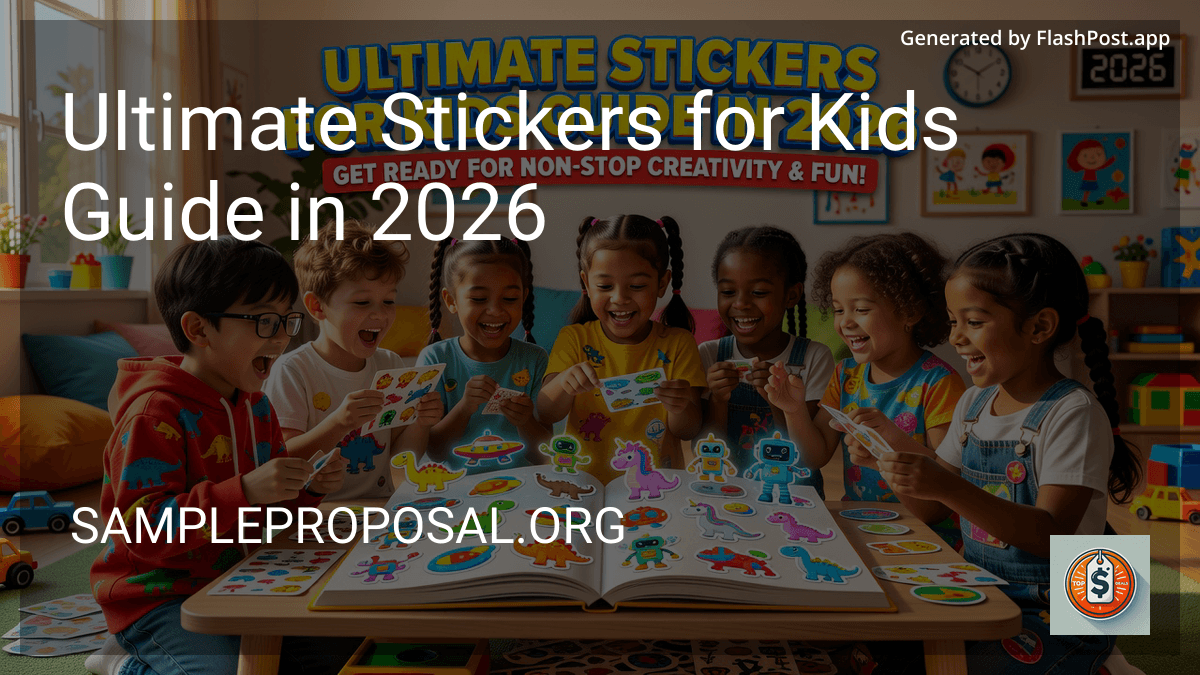
Best Stickers for Kids in October 2026
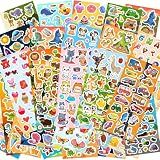
48 Sheets Stickers for Kids, Cute Stickers Variety Pack for Scrapbooking
- OVER 1,000 CUTE STICKERS SPARK CREATIVITY FOR ALL AGES!
- EASY, SELF-ADHESIVE DESIGN KEEPS KIDS ENGAGED FOR HOURS!
- PERFECT FOR CRAFTS, REWARDS, AND PARTY FAVORS-FUN EVERYWHERE!


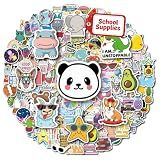
200Pcs Water Bottle Stickers for Kids Teens, Waterproof Vinyl Stickers
- 200 PREMIUM, UNIQUE STICKERS-35% LARGER FOR MAXIMUM CREATIVITY!
- WATERPROOF, EASY-PEEL STICKERS FOR ENDLESS FUN AND PERSONALIZATION.
- PERFECT GIFT FOR ALL AGES-IDEAL FOR REWARDS AND CLASSROOM INCENTIVES!
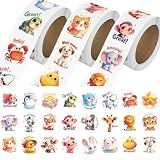
3 Rolls Animal Stickers for Kids, 1500 PCS Kids Stickers Bulk for Toddlers 2-4, 24 Designs Farm/Ocean/Wild Cute Sticker with Motivational Words for Kid Reward, School Supplies (1.0 Inch)
-
24 UNIQUE DESIGNS FOR ENDLESS FUN: FARM, OCEAN & WILD SCENES!
-
PREMIUM QUALITY: WATERPROOF, ODORLESS & EASY TO PEEL STICKERS!
-
PERFECT GIFTS & REWARDS: INSPIRE KIDS IN CLASS & AT HOME!
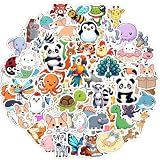
RINOLY 100 PCS Water Bottle Stickers for Kids,Waterproof Vinyl Animal Stickers for Kids,Skateboard,Laptop Stickers for Girls Boys Classroom Prizes
-
100 UNIQUE ANIMAL STICKERS: NO REPETITION ENSURES ENDLESS FUN!
-
WATERPROOF & REPOSITIONABLE: STICK, MOVE, AND STICK AGAIN WITH EASE!
-
PERFECT FOR GIFTING: IDEAL FOR PARTIES, HOLIDAYS, OR CLASSROOM REWARDS!
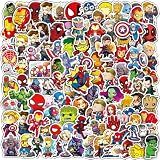
200PCS Cool Character Stickers Bulk for Boys Teens Adults
- UNIQUE 200 COMIC STICKERS: NO DUPLICATES FOR ULTIMATE VARIETY!
- HIGH-QUALITY, WATERPROOF VINYL-PERFECT FOR CUSTOMIZATION AND SHARING.
- IDEAL GIFT FOR SUPERHERO FANS-BRIGHTEN SOMEONE'S DAY WITH STICKERS!
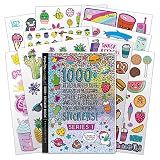
Fashion Angels 1000+ Ridiculously Cute Stickers
-
1000+ TRENDY STICKERS: DIVERSE THEMES FOR ENDLESS CREATIVE FUN!
-
PERSONALIZE EVERYTHING: PERFECT FOR KIDS' BELONGINGS; STICKERS FOR ALL!
-
CREATIVE EXPRESSION: ENHANCE SCRAPBOOKS, JOURNALS, AND PLANNERS!
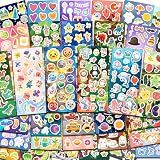
800 Stickers for Kids, Cute Stickers for Kids Classroom, Including Dinosaur,Animal, Fruits,Ocean,Space,Cats and More,Scrapbooking for Toddlers 2-4 Years
- 800 UNIQUE STICKERS: ENDLESS THEMES FOR CREATIVITY AND PLAY!
- SUPERIOR QUALITY: DURABLE, WATERPROOF AND REUSABLE FOR LASTING FUN!
- IDEAL GIFT FOR KIDS: PERFECT SURPRISE FOR BIRTHDAYS AND CLASSROOM REWARDS!
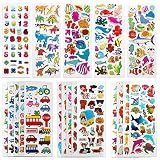
Puffy 3D Sticker for Kid & Toddler 500+ Variety Pack Cute Scrapbook Sticker
-
OVER 500 FUN STICKERS: 20 SHEETS PACKED WITH LETTERS, ANIMALS, AND MORE!
-
EASY TO PEEL & STICK: MESS-FREE APPLICATION; NO RESIDUE LEFT BEHIND.
-
BOOSTS LEARNING & CREATIVITY: PERFECT REWARDS FOR KIDS' ACCOMPLISHMENTS!
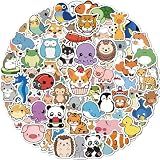
100 Pcs Animal Stickers for Kids, Cute Water Bottle Stickers, Party Favors
- UNIQUE 100-PACK: NO DUPLICATES, ENDLESS DECORATING FUN!
- WATERPROOF & DURABLE: HIGH-QUALITY VINYL, PERFECT FOR ALL SURFACES!
- IDEAL CLASSROOM PRIZES: DELIGHT KIDS WITH STYLISH, FUN STICKERS!
Ultimate Stickers for Kids Guide in 2026 starts with one simple truth: kids can burn through a 300-piece sticker pack in a single rainy afternoon, but the right stickers can stay in rotation for weeks on water bottles, reward charts, scrapbooks, and pretend-play scenes. That gap between “used once and forgotten” and “played with every day” usually comes down to three things: adhesive quality, age fit, and whether the designs actually match how kids play.
I’ve spent enough time sorting sticker sheets off kitchen tables and peeling bargain-bin decals off bedroom walls to know this category looks easy-until you buy the wrong pack. Some sets tear in tiny hands, some leave gummy residue on furniture, and some claim to be “for kids” while stuffing in 1-inch micro stickers that frustrate preschoolers in under five minutes.
This guide breaks down what actually matters before you buy: safe materials, removable vs permanent adhesive, best sticker packs by budget, review patterns, and the red flags that show up again and again in buyer feedback. If you want educational stickers, reward stickers, waterproof vinyl stickers, or reusable sticker books, you’ll leave with a clear shortlist.
How we select products: Our team reviews products daily, analyzing customer ratings (4.0+ stars minimum), pricing trends, discount history, pack size, material claims, and real buyer feedback to surface sticker options that deliver strong value for kids, parents, and teachers.
Why does the Ultimate Stickers for Kids Guide in 2026 focus so much on material and adhesive?
Because material decides whether a sticker becomes a craft supply, a behavior-chart tool, or a mess.
Paper stickers are still the cheapest entry point, and they work well for reward charts, classroom activities, and party favors. But they crease fast, dislike water, and often rip if a child under age 6 tries to reposition them. In review patterns across major marketplaces, paper sets get the highest marks for variety and low cost, but also the most complaints about tearing.
Vinyl stickers solve that problem. They’re thicker, easier to peel, and usually survive lunchboxes, bottles, and tablet cases better. The catch? Not all vinyl is kid-friendly for indoor play surfaces. Some are effectively permanent decals, which is why parents complain about sticky residue on painted walls and dressers.
Reusable sticker books sit in their own lane. They’re ideal for toddlers and preschoolers, especially if the pieces are oversized and made from cling-style materials. These sets often score better for repeat play than giant one-time packs, even if the total sticker count is lower.
If you want a broader sense of where people shop for sticker packs and niche sets, this roundup offers more info on common buying sources.
How we applied the Ultimate Stickers for Kids Guide in 2026 selection criteria
A sticker set only made the cut conceptually if it met practical standards that real families care about-not vague “cute factor” stuff.
Here’s the framework I use before recommending any kids’ sticker product:
-
Rating threshold: 4.2 stars or higher Products below 4.2 stars tend to show a sharp jump in complaints about weak adhesive, off-center cuts, or a misleading number of usable stickers.
-
Review volume: ideally 300+ reviews A 4.8-star score from 17 buyers tells you far less than 4.5 stars from 1,000+ buyers. Bigger review pools reveal repeat complaints faster.
-
Sticker size matched to age For ages 3 to 5, individual stickers should generally be at least 1.5 inches wide or have easy-peel tabs. Tiny reward dots are hard for little fingers.
-
Adhesive type clearly described Look for terms like removable, repositionable, reusable, or waterproof vinyl. If the listing is vague, assume the adhesive may be stronger than you want.
-
Material disclosure The safest listings usually specify paper, laminated paper, vinyl, or static-cling material rather than generic “premium sticker.”
-
Pack purpose A 500-piece kawaii pack sounds great until you realize it’s designed for teens decorating laptops, not a 4-year-old building scenes. Always match the set to actual use case.
-
No strong odor reported in reviews Chemical smell complaints are a fast filter-out. If more than a handful of reviewers mention odor, I skip it.
💡 Did you know: Sticker sheets with kiss-cut edges are noticeably easier for young kids to peel than tightly die-cut mini stickers. That single packaging detail often matters more than total sticker count.
What sticker types work best by age in the Ultimate Stickers for Kids Guide in 2026?
Age fit matters more than theme.
Ages 2-4: oversized reusable stickers win
For toddlers and younger preschoolers, reusable sticker books and chunky peel-and-place sets are the sweet spot. Kids in this range are still building pincer grip strength, so small decorative sheets create frustration fast.
Look for:
- Large character or animal stickers
- Smooth peel surfaces
- Repositionable pages
- Scene-based play boards
These sets often keep a child engaged for 20 to 40 minutes, which is longer than many cheap mini-sticker assortments.
Ages 5-8: activity stickers and reward sheets offer the best value
This age group gets the most use out of educational stickers, planner-style reward stickers, alphabet labels, and craft packs. They can peel smaller shapes, follow themes, and use stickers across multiple activities.
Parents often underestimate how useful mixed packs are here. A set that includes stars, animals, numbers, and seasonal icons usually gets used more than one-note novelty themes.
Ages 9-12: themed vinyl and hobby stickers become the favorite
Older kids want stickers that feel personal, not babyish. That means waterproof vinyl stickers for bottles, notebooks, and sports gear, plus fandom-inspired packs and journaling stickers.
If your child likes collecting or decorating, niche themes can outperform generic bundles. Some comparison-style content on themed packs, such as wordflicks.blogspot.com, shows how focused categories tend to attract stronger repeat buyers than random assortments.
Which options give you the best value by budget?
Most buyers shop by budget first, so here’s where the value usually sits.
What are the best sticker options under a low budget?
Low-budget sticker sets are best for party bags, classroom prizes, chore charts, and travel activities. This is where paper sheets dominate.
What you usually get:
- High sticker count
- Bright, familiar designs
- Lower durability
- More duplicates
The best low-cost packs are the ones with a clear purpose. For example, reward stickers with smile faces, stars, and “great job” labels stretch much further than a random novelty bundle because you’ll actually use them across weeks.
Watch for one specific trap: packs advertising 500 to 1,000 stickers that are mostly tiny seal dots or repeated icons. High count doesn’t equal high play value.
Where is the real sweet spot in the Ultimate Stickers for Kids Guide in 2026?
The mid-range budget is where you typically get the strongest balance of material quality, age fit, and variety.
This is the zone where you’ll find:
- Reusable sticker books with sturdy pages
- Laminated educational sticker sets
- Mixed craft bundles with cleaner cuts
- Better peel performance for small hands
If you’re buying one sticker product that needs to last more than a weekend, this range usually delivers the best return. The difference is visible: cleaner print quality, less tearing, and fewer complaints about backing paper splitting.
For families comparing journaling-style and decorative formats that overlap with older kids’ use, Writeas is one example of how style-focused sticker curation has expanded beyond basic classroom sets.
Are premium sticker sets ever worth it for kids?
Sometimes-especially if the child uses stickers as an ongoing hobby rather than a one-off treat.
Premium picks tend to justify the higher spend in three cases:
- Reusable activity systems with thick pages and storage
- Waterproof vinyl sticker collections for bottles, binders, and sports gear
- Licensed or niche-theme packs with stronger print consistency
What you’re really paying for is not just design. It’s thicker stock, better adhesive control, and less waste from ripped or unusable pieces.
Collectors and fandom-focused kids often care more about design quality than raw quantity. If that’s your lane, themed guides like this buy harry potter stickers online guide show how specialized sticker buying has become in 2026.
What should you look for before buying sticker packs for kids?
Here are the most important buying criteria, ranked by how often they affect real-world satisfaction.
1. Repositionability
If the stickers are going on furniture, bedroom doors, notebooks, or play scenes, repositionable adhesive saves you headaches. Permanent-style decals look appealing online but can damage painted surfaces or leave residue.
2. Sheet layout
Kids under 7 usually do better with sheeted stickers than with loose flakes. Sheets help them see choices clearly and reduce the odds of losing half the pack in the car within 10 minutes.
3. Surface compatibility
A waterproof sticker may stick beautifully to a bottle but poorly to textured paper. Product pages should specify common surfaces like plastic, paper, metal, glass, or walls.
4. Thickness
Thin stickers curl and tear. Thicker vinyl or laminated pieces are easier to handle, especially for repeated peel-and-stick play.
5. Educational or open-ended use
If you want longer-term value, choose sets that work across counting, letter recognition, storytelling, reward systems, and crafts rather than single-use decoration only.
For trend-style curation of planner and organization formats that older kids often borrow for school projects, there’s a useful example on Blogspot.
What review red flags show up again and again with kids’ stickers?
This is where buyer feedback gets brutally honest.
Red flag 1: “Smaller than expected”
This is the most common complaint in sticker reviews, and it matters. A pack can look generous in photos but arrive with stickers under 1 inch, which makes them annoying for young children to peel.
Red flag 2: “Doesn’t stick well”
Weak adhesive usually shows up on curved or textured surfaces first. If reviewers say stickers peel off bottles or lunchboxes within 24 to 48 hours, the set is better suited for paper crafts only.
Red flag 3: “Too hard to remove from backing”
This one kills independent play. If a 5-year-old constantly asks for help peeling each sticker, the set loses its value fast.
Red flag 4: “Leaves residue”
Residue complaints often cluster around glossy vinyl decals with stronger glue. Those are fine for permanent decorating, less fine for bedrooms and classrooms.
Red flag 5: “Duplicate-heavy pack”
Some multipacks claim huge variety but repeat the same 20 to 30 designs over and over. If the product images don’t show many actual sheets, assume repetition.
For shoppers who like digging through unusual source paths and image-indexed references, you’ll sometimes see odd listings connected through check source or mirrored image-result pages like www.google.nl, but verify the actual retailer details before buying.
How do reusable sticker books compare with loose sticker packs?
Reusable sticker books win on longevity, mess control, and independent play. Loose packs win on variety and low cost.
If your child likes building scenes, telling stories, or repeating the same activity, reusable formats are the smarter buy. A 30-piece reusable set can outperform a 500-piece bargain pack because the child actually comes back to it.
Loose packs are still excellent for:
- Birthday party favors
- Classroom rewards
- Scrapbooking
- Seasonal crafts
- Water bottle decoration for older kids
That’s the key distinction in the Ultimate Stickers for Kids Guide in 2026: don’t compare all stickers as if they do the same job. They don’t.
Final buying recommendation
If you only remember one thing from this Ultimate Stickers for Kids Guide in 2026, make it this: match the sticker’s adhesive and size to the child’s age and intended surface before you look at theme or sticker count. A well-sized, repositionable set with 4.2+ stars and 300+ reviews will usually outperform a bigger, flashier pack every time.
Frequently Asked Questions
what stickers are safest for toddlers to use?
The safest options for toddlers are oversized, reusable stickers or large paper stickers designed for ages 2 to 4. Avoid tiny vinyl decals and choose products with clear material descriptions, easy-peel shapes, and no repeated review complaints about odor or residue.
are vinyl stickers better than paper stickers for kids?
Vinyl stickers are usually better for water bottles, lunchboxes, and notebooks because they resist moisture and tearing. Paper stickers are still better for reward charts, crafts, and low-cost party packs, especially if you don’t need long-term durability.
how many stickers should a good kids pack include?
A good pack doesn’t need the biggest number-it needs the right format for how your child will use it. For reusable play, even 20 to 50 large stickers can be enough, while classroom or reward use may justify 200+ smaller stickers.
what are the best sticker packs for school rewards and teachers?
The best school reward stickers are usually paper-based sheets with stars, smiley faces, achievement phrases, and seasonal icons. Look for high review counts, clean peel performance, and designs that work across folders, charts, and homework pages.
where can i buy good stickers for kids online in 2026?
Good kids’ stickers are easiest to buy from large marketplaces, craft-focused stores, educational supply shops, and specialty sticker sites with clear review histories. Before buying, check for actual customer photos, size dimensions, and a rating of at least 4.2 stars so you don’t end up with tiny, low-stick leftovers.