Best Training Equipment to Buy in October 2026
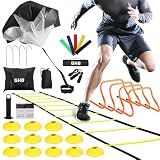
GHB Agility Ladder,Football Training Equipment Set,4 Agility Hurdles, 20 feet12 Rungs Speed Ladder,12 Disc Cones,Resistance Parachute, Jump Rope, 4 Resistance Bands (Yellow)

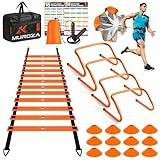
MUROZA Agility Ladder, Agility Speed Training Equipment Set, 20ft Speed Ladder, 12 Soccer Cones, 4 Hurdles, Jump Rope, Running Parachute, Soccer Football Basketball Training Equipment Accessories
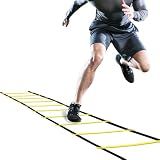
GHB Pro Agility Ladder Agility Training Ladder Speed 12 Rung 20ft with Carrying Bag
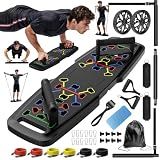
MQRW Push Up Board,Home Gym,Portable Exercise Equipment,Pilates Bar and 20 Fitness Accessories with Resistance Bands and Ab Roller Wheel,Full Body Workout at Home
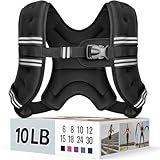
Zeerun Weighted Vest, 6lb/8lb/10lb/12lb/15lb/18lb/20lb/24lb/30lb for Men Women, Reflective Stripe Adjustable Buckle, Comfortable Durable Rucking Vest for Walking Running Strength Training, 10LBS-Black
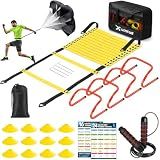
X-UMEUS Agility Ladder Speed Training Equipment Set-20ft Agility Ladder,12 Soccer Cones,4 Hurdles, Jump Rope, Running Parachute| Basketball Football Soccer Training Equipment for Kids Youth Adults
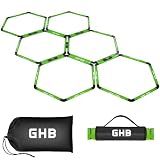
GHB Hex Agility Rings Speed Rings with Carrying Bag 6 Set Portable Hexagon Rings, Agility Ladder for Agility Footwork Training (Green)
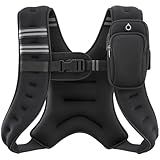
ZELUS Weighted Vest, 6lb/8lb/12lb/16lb/20lb/25lb/30lb Weight Vest with Reflective Stripe for Workout, Strength Training, Running, Fitness, Muscle Building, Weight Loss, Weightlifting, Black(12 lb)
The two main types of training generally refer to on-the-job training and off-the-job training. On-the-job training involves employees learning by doing their actual work tasks under the guidance of a supervisor or an experienced peer. It is practical and allows for immediate application of new skills in the work environment. Off-the-job training, on the other hand, takes place away from the workplace and involves activities such as workshops, seminars, or classroom training. This type of training allows for a more focused learning experience, free from the usual work-related interruptions, and can cover broader topics that might not be immediately applicable but are valuable for long-term growth and development.
What is the ADDIE model in instructional design?
The ADDIE model is a widely used framework in instructional design that outlines a systematic approach to developing educational and training programs. ADDIE is an acronym that stands for the five phases of the model: Analyze, Design, Develop, Implement, and Evaluate. Here is a brief overview of each phase:
- Analyze: In this initial phase, designers identify the learning needs, goals, and objectives of the program. This involves understanding the learners’ existing skills, the learning environment, and any constraints or requirements. It's about gathering all necessary information to ensure that the program addresses the specific needs of the target audience.
- Design: During the design phase, instructional designers create a blueprint for the course. This includes defining the learning objectives, developing assessments, planning the instructional strategy, and selecting the appropriate media and materials. The output of this phase is a detailed design plan that guides the development process.
- Develop: In the development phase, the actual materials and content of the course are created. This could involve writing course materials, creating multimedia components, and developing assessments. Prototypes may also be created and tested on a small scale to refine and validate the materials.
- Implement: This phase involves delivering or distributing the course to the learners. It includes training instructors, setting up any necessary technology, and making sure all logistics are in place for the learning experience to run smoothly.
- Evaluate: Evaluation is a critical component of the ADDIE model and occurs throughout all phases. Formative evaluation takes place during each phase to ensure everything is on track, while summative evaluation happens after implementation to assess the overall effectiveness of the program. Feedback is gathered to determine if learning objectives were met and to identify any areas for improvement.
The ADDIE model is valued for its flexibility and adaptability, and it serves as a foundation for many other instructional design models and methodologies.
How to create engaging content for training sessions?
Creating engaging content for training sessions is crucial to enhance learning and retention. Here are several strategies to achieve this:
- Know Your Audience: Understand the demographics, background, knowledge level, and learning preferences of your trainees. Tailor your content to meet their needs and expectations.
- Set Clear Objectives: Define what participants should know or be able to do by the end of the session. Having clear goals helps keep the content focused and relevant.
- Incorporate Multimedia: Use a variety of media formats such as videos, infographics, animations, and audio clips to present information in dynamic and interesting ways.
- Interactive Elements: Include activities like polls, quizzes, and simulations that require active participation. Tools like Kahoot, Mentimeter, or Google Forms can facilitate this.
- Storytelling: Use stories and real-world examples to illustrate key concepts and make the content relatable and memorable.
- Hands-On Practice: Incorporate practical exercises where learners can apply what they've learned. This helps solidify knowledge and improve skill acquisition.
- Discussion and Collaboration: Encourage group discussions and collaborative tasks. This can be done through breakout sessions or group activities, fostering peer learning and engagement.
- Microlearning Segments: Break down complex topics into bite-sized chunks. This makes information more digestible and less overwhelming.
- Gamification: Introduce game elements like leaderboards, badges, or challenges to motivate and engage participants.
- Feedback and Adaptation: Use live feedback during sessions to adjust content flow and address learners' questions or difficulties in real time.
- Visuals and Design: Use professional and appealing design layouts. Consistent visual style, with readable fonts and appropriate color contrast, can make content more pleasant and easier to follow.
- Pre and Post-Session Engagement: Send materials or questions before the training to prepare participants, and follow up with summaries, quizzes, or online discussions to reinforce learning.
- Technical Preparedness: Ensure all technology and tools used are up-to-date and functioning to avoid disruptions that can detract from the learning experience.
By employing these strategies, you can create training sessions that not only inform but also inspire and engage your audience.
What is the importance of cross-training employees?
Cross-training employees is an important business practice that offers numerous benefits for both the organization and its workforce. Here are some key reasons why it is important:
- Enhanced Flexibility and Adaptability: Cross-training allows employees to develop skills in multiple areas, enabling organizations to quickly adapt to changing demands, cover for absent employees, and manage workload fluctuations more effectively.
- Increased Productivity: With a more versatile workforce, businesses can allocate human resources more efficiently, ensuring that tasks are completed promptly and reducing downtime.
- Improved Teamwork and Collaboration: Employees with knowledge in various roles tend to have a better understanding of different departmental functions, which fosters improved communication, collaboration, and mutual support among team members.
- Employee Development and Job Satisfaction: Cross-training programs provide employees with opportunities for skill enhancement and career growth, increasing job satisfaction and motivation as employees feel more valued and capable.
- Risk Mitigation: By ensuring more employees are able to perform critical tasks, businesses reduce dependence on a single individual, thus mitigating risks associated with employee turnover, absences, or burnout.
- Innovation and Creativity: Exposure to different roles and perspectives can encourage employees to bring fresh ideas and innovative solutions to problems, contributing to a culture of continuous improvement.
- Resource Optimization: Through cross-training, companies can maximize the use of their existing workforce, potentially reducing the need for hiring additional staff or temporary workers.
Overall, cross-training is a strategic approach that helps build a resilient and dynamic organization, capable of navigating challenges and seizing new opportunities.