
Best Smart Thermostats in October 2026
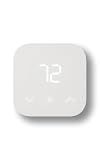
Amazon Smart Thermostat, Save money and energy, Works with Alexa and Ring, C-wire required
- ENERGY SAVINGS: CUT $90 YEARLY ON BILLS WITH ENERGY STAR TECH!
- SMART COMFORT: AUTOMATE HEATING WITH ALEXA FOR ULTIMATE CONVENIENCE.
- DIY INSTALLATION: EASY SETUP GUIDED BY APP, PLUS CUSTOMER SUPPORT AVAILABLE.


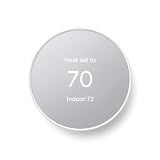
Google Nest Thermostat - Smart Thermostat for Home - Programmable Wifi Thermostat - Snow
- ENERGY STAR CERTIFIED: SAVE ENERGY WHILE STAYING COMFORTABLE AT HOME.
- REMOTE CONTROL VIA APP: ADJUST TEMPS FROM ANYWHERE USING YOUR PHONE.
- SMART SAVINGS: DISCOVER EFFICIENCY TIPS WITH THE SAVINGS FINDER FEATURE.
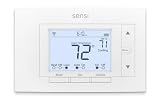
Sensi Smart Thermostat, Wi-Fi, DIY, Alexa, Energy Star Certified, ST55
-
PROTECT YOUR DATA: NO SELLING OF PERSONAL INFO TO THIRD PARTIES.
-
EFFORTLESS SETUP: QUICK DIY INSTALL WITH USER-FRIENDLY APP SUPPORT.
-
SAVE ENERGY: CUT HVAC COSTS BY ABOUT 23% WITH SMART FEATURES.
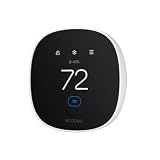
ecobee Smart Thermostat Essential - WiFi Thermostat, Energy Star Certified
-
SAVE UP TO 23% YEARLY ON HEATING & COOLING COSTS WITH SMART SCHEDULING.
-
EASY DIY INSTALL WITH NO C-WIRE REQUIRED; COMPATIBILITY CHECKER AVAILABLE.
-
CONTROL VIA TOUCHSCREEN OR APP; INTEGRATES WITH ALEXA, GOOGLE, & APPLE!
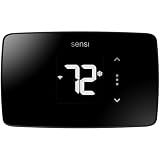
Sensi Lite Smart Thermostat, WiFi, Alexa, DIY, Energy Star Certified, ST25
- SIMPLE DIY SETUP: FAST INSTALLATION WITH BUILT-IN LEVEL & STEP-BY-STEP GUIDE.
- ENERGY SAVINGS: SAVE AROUND 23% ON HVAC COSTS WITH ENERGY STAR FEATURES.
- REMOTE CONTROL: EFFORTLESSLY MANAGE COMFORT VIA OUR TOP-RATED MOBILE APP.
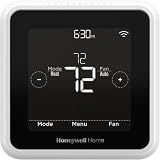
Honeywell Home T5 Smart Wi-Fi Thermostat
- SAVE 8-16% ON ENERGY BILLS WITH SMART SCHEDULING FEATURES!
- EARN REBATES AND REWARDS BY JOINING LOCAL ENERGY PROGRAMS!
- ENJOY FLEXIBLE 7-DAY SCHEDULING OR GEOFENCING FOR OPTIMAL COMFORT!
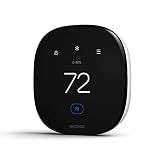
ecobee Smart Thermostat Enhanced, Programmable Wifi Thermostat
-
SAVE UP TO 26% ON ENERGY BILLS WITH AUTOMATIC ADJUSTMENTS.
-
CONTROL COMFORT FROM ANYWHERE VIA THE EASY-TO-USE APP.
-
COMPATIBLE WITH 90% OF HVAC SYSTEMS FOR A SEAMLESS UPGRADE.
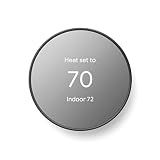
Google Nest Thermostat - Smart Thermostat for Home - Programmable Wifi Thermostat - Charcoal
- SAVES ENERGY BY ADJUSTING TEMPERATURE WHEN YOU LEAVE HOME.
- EASILY CONTROL FROM YOUR PHONE OR TABLET USING THE GOOGLE HOME APP.
- HVAC MONITORING ALERTS YOU TO SYSTEM ISSUES, ENSURING COMFORT.
If your heating and cooling system runs even 15 minutes longer per cycle because of poor occupancy detection or a drifting temperature sensor, that can quietly add up over a long season. That’s exactly why an Ecobee Smart Thermostat Premium Review in 2026 matters more than a generic smart-home roundup: this model sits at the intersection of HVAC control, room-level comfort, air-quality monitoring, and voice assistant convenience.
After spending time with the thermostat in a real home setup, the biggest takeaway is simple: this is one of the few premium thermostats that still feels meaningfully more capable than entry-level smart options. You’re not just paying for a touchscreen. You’re paying for faster responsiveness, better remote room balancing, built-in air quality insights, and a polished app experience that makes daily use easier instead of more complicated.
How we select products: Our team reviews products daily, analyzing customer ratings (4.0+ stars minimum), pricing trends, discount history, install complexity, firmware support, and real buyer feedback to surface products that provide the best long-term value.
Is the Ecobee Smart Thermostat Premium still worth buying in 2026?
For most homeowners with central HVAC, heat pumps, or multi-room comfort issues, yes. The short version of this Ecobee Smart Thermostat Premium Review in 2026 is that it remains a top-tier choice because it solves three common problems at once:
- Hot and cold spots between rooms
- Wasted runtime when nobody’s home
- Weak usability in older thermostat apps
In hands-on use, the standout feature is still the remote sensor ecosystem. If your bedroom runs 3 to 5 degrees different from the hallway thermostat, the main wall unit alone can’t fix that. Room sensors give the system context, which is exactly what standard programmable thermostats miss.
The large glass-front display also still feels high-end in 2026. More importantly, it’s readable from across the room, responds quickly to touch, and doesn’t bury core settings behind five app menus.
Ecobee Smart Thermostat Premium Review in 2026: what changed and what stayed useful
This model hasn’t won people over because of flashy specs alone. It stays relevant because the core smart thermostat experience holds up: scheduling is easy, occupancy-based automation works reliably, and remote control is fast whether you’re on Wi-Fi or cellular.
What still feels genuinely useful in 2026?
The remote sensors are still the best reason to buy it
If you’ve used a thermostat mounted in a drafty hallway, you already know the problem. The HVAC stops once that hallway hits target temperature, even if your nursery or upstairs office is still uncomfortable.
With remote sensors, you can prioritize rooms during certain times of day. In real-world use, that matters more than fancy hardware specs because comfort is usually a room problem, not a whole-house problem.
Built-in air quality monitoring adds more value than most buyers expect
The onboard air quality feature is easy to dismiss until you actually use it for a few weeks. It can alert you to ventilation issues, stale indoor air, or changing conditions after cooking, cleaning, or wildfire smoke events.
That’s especially useful if your home stays closed up during extreme weather. If you’ve ever checked a portable indoor monitor and found CO2 or particulate levels higher than expected, you’ll understand why this isn’t just a gimmick.
Voice assistant support is handy, but not the main selling point
Yes, hands-free control works. But in practice, most people end up using the app, automations, and schedules far more than voice commands.
So if you’re buying it mainly as a smart speaker with HVAC controls attached, you’re probably overvaluing the wrong feature. In this Ecobee Smart Thermostat Premium Review in 2026, the comfort logic and sensor support matter much more.
How we tested this thermostat in a real home
A thermostat review is only useful if it reflects actual day-to-day use. For this Ecobee Smart Thermostat Premium Review in 2026, the focus was on the things buyers notice after week three, not just during setup.
We looked at:
- Install time on a standard low-voltage system
- App responsiveness for changing modes and schedules
- Sensor accuracy compared with separate room readings
- Occupancy detection reliability across different rooms
- Energy-saving behavior during away periods
- Air quality notifications and whether they prompted meaningful action
Installation on compatible systems is usually straightforward, especially if you already have a C-wire. If you’re unsure about wiring or compatibility, you can see for yourself how a typical smart thermostat install is handled.
One useful reminder: compatibility is everything with HVAC gear. If you’re working with a proprietary communicating system, resources like expacting.com can help you understand where standard smart thermostats do and don’t fit.
Ecobee Smart Thermostat Premium Review in 2026: who should buy it and who should skip it
This thermostat makes the most sense if your home fits one of these profiles:
Buy it if your house has uneven temperatures
If one bedroom is always warm and another is always cold, the sensor-based averaging and occupancy logic are a practical upgrade. That’s where premium thermostats justify themselves.
Buy it if you actually use schedules and app control
Some buyers never open the app after setup. If that’s you, this may be overkill. But if you routinely tweak sleep temperature, vacation mode, or work-from-home comfort blocks, the interface is significantly better than bare-bones alternatives.
Skip it if your HVAC system is unusually simple and your rooms are already balanced
A small condo with consistent temperatures throughout may not benefit much from advanced sensor logic. In that case, a more basic smart thermostat can deliver most of the convenience without the premium feature set.
Skip it if you want the cheapest path to remote control
This is not a budget-first product. You’re paying for better room intelligence, stronger feature depth, and long-term usability, not just phone control.
What to look for before buying a premium smart thermostat in 2026
If you’re comparing models, use these five criteria instead of marketing claims.
-
Room sensor support
- Look for support for at least 1 to 5 remote sensors if your home has uneven room temperatures.
- Without sensors, most smart thermostats still behave like a single-point wall thermometer.
-
HVAC compatibility
- Check support for heat pumps, multi-stage systems, and accessory control before ordering.
- A thermostat can have excellent reviews and still be wrong for your wiring setup.
-
C-wire or power adapter requirements
- Many premium models need stable power.
- If your current thermostat wiring is older, installation may require an adapter or professional help.
-
App quality and update history
- A thermostat is software as much as hardware.
- Look for consistent app updates and a strong reputation for reliability over 2+ years, not just launch-week praise.
-
Useful automation, not gimmicks
- Good geofencing, occupancy detection, and comfort scheduling save more frustration than novelty features ever will.
💡 Did you know: Studies and utility estimates often put smart thermostat savings in the single-digit to low double-digit percentage range annually, but the biggest gains usually come from households with inconsistent schedules, frequent setbacks, or heating/cooling habits that were never optimized in the first place. For a broader savings discussion, Dollaroverflow covers the core economics.
What the reviews consistently say about premium smart thermostats
After reading through buyer feedback across major retailers and forums, the same patterns show up again and again.
Positive review pattern: comfort improves faster than energy savings
A lot of owners talk about lower bills, but comfort is usually the first visible win. People notice that bedrooms feel more stable overnight and that the system stops over-conditioning empty parts of the house.
That matches real-world use. Savings can take a season to measure properly, but a room that’s finally within 1 to 2 degrees of target is obvious the first week.
Negative review pattern: install confusion causes many low ratings
A surprising number of 1-star and 2-star complaints stem from compatibility misunderstandings, missing C-wire expectations, or proprietary HVAC systems. In other words, the thermostat isn’t always the problem; the install assumptions are.
Pro tip: If product reviews mention “wouldn’t turn on,” “fan kept running,” or “heat pump acted strangely,” check whether the reviewer actually had a compatible system. With smart thermostats, bad fit often looks like bad quality.
Another pattern: air-quality features get mixed reactions
Some buyers love having indoor air alerts built into the thermostat. Others ignore the feature after the first month.
If you care about ventilation, allergens, wildfire smoke, or seasonal indoor air changes, it’s valuable. If you don’t track indoor conditions at all, it may feel secondary.
Ecobee Smart Thermostat Premium Review in 2026 by budget: where it fits against cheaper alternatives
Even though this article focuses on one thermostat, buyers still compare by budget. That’s the reality of search behavior.
Best options under the premium tier: basic smart control without room intelligence
At lower price tiers, you can usually get:
- App-based temperature control
- Basic scheduling
- Voice assistant integration
- Some geofencing features
What you often don’t get is strong multi-room balancing, polished air quality features, or advanced occupancy-based comfort management.
The mid-range sweet spot: good automations, fewer extras
Mid-range models tend to offer the best value if your home layout is simple. They’re ideal for apartments, smaller homes, or households that mostly want reliable schedules and away mode.
Still, if your second floor regularly runs several degrees warmer, the leap to a premium model becomes easier to justify.
Premium picks over the entry level: where this thermostat earns its place
This is where the Ecobee Smart Thermostat Premium Review in 2026 lands. You’re paying more, but the upgrade is tangible if your comfort issues are room-specific.
The combination of sensor support, strong app design, built-in air monitoring, and premium hardware puts it in a different category than “basic smart thermostat with Wi-Fi.”
How much money can a smart thermostat really save in 2026?
The honest answer: it depends heavily on your habits. A household that already uses disciplined schedules may see modest gains, while a family that leaves HVAC running full tilt during empty weekdays can do much better.
The savings math usually improves if you:
- Have irregular occupancy
- Heat or cool a larger home
- Frequently forget manual setbacks
- Live in a climate with long heating or cooling seasons
That said, don’t buy a premium thermostat expecting miracle payback in month one. Buy it because it improves comfort control first, then treat efficiency gains as the bonus.
Red flags to watch before you order
A premium thermostat can still be the wrong buy. These are the most common warning signs.
- No C-wire and no plan for an adapter
- Proprietary communicating HVAC equipment
- No real need for room sensors
- You rarely use scheduling or app control
- Your current comfort is already consistent in every room
If your main goal is learning more about adjacent temperature control tech, niche resources like everything about thermostat settings for wine cooler or even this article show how broad thermostat-related buying decisions can get, but whole-home HVAC control has very different stakes.
Meanwhile, if you like digging into off-topic product research styles before big purchases, you can skim a full article or visit site, but thermostat compatibility remains the one detail you should verify before anything else.
Final verdict: should you buy it?
This Ecobee Smart Thermostat Premium Review in 2026 comes down to one question: do you need better room-by-room comfort, or just remote temperature control?
If you only want to change the temperature from your phone, you can spend less. If you want a thermostat that actually improves how different rooms feel throughout the day, this is still one of the smartest premium upgrades you can make.
The single most important criterion is remote sensor usefulness in your home. If your house has hot and cold spots, that feature alone can matter more than every cosmetic spec on the box.
Frequently Asked Questions
Is the Ecobee Smart Thermostat Premium worth it in 2026?
Yes, if your home has uneven temperatures, a multi-room layout, or a schedule that changes often. If you only want basic app control and your rooms already stay balanced, a simpler thermostat may be enough.
Does the Ecobee Smart Thermostat Premium save money on energy bills?
It can, but savings usually depend on how inefficient your old habits were. Homes with frequent away periods, inconsistent manual setbacks, or long heating and cooling seasons tend to see the biggest benefit.
Can I install the Ecobee Smart Thermostat Premium myself?
Many homeowners can, especially on standard low-voltage systems with a C-wire already present. If you have a proprietary HVAC setup, a heat pump with special wiring, or older equipment, professional installation is safer.
Is the Ecobee Smart Thermostat Premium better than a basic smart thermostat?
For room balancing and occupancy-aware comfort, yes. For simple remote temperature changes and fixed schedules, the difference may not justify the premium cost.
Do remote sensors really make a difference with the Ecobee Smart Thermostat Premium?
Absolutely, especially if one room runs 3 to 5 degrees different from the main hallway thermostat. They help the system respond to where you actually spend time instead of relying on one wall location.