Best Range Hood Filters in October 2026
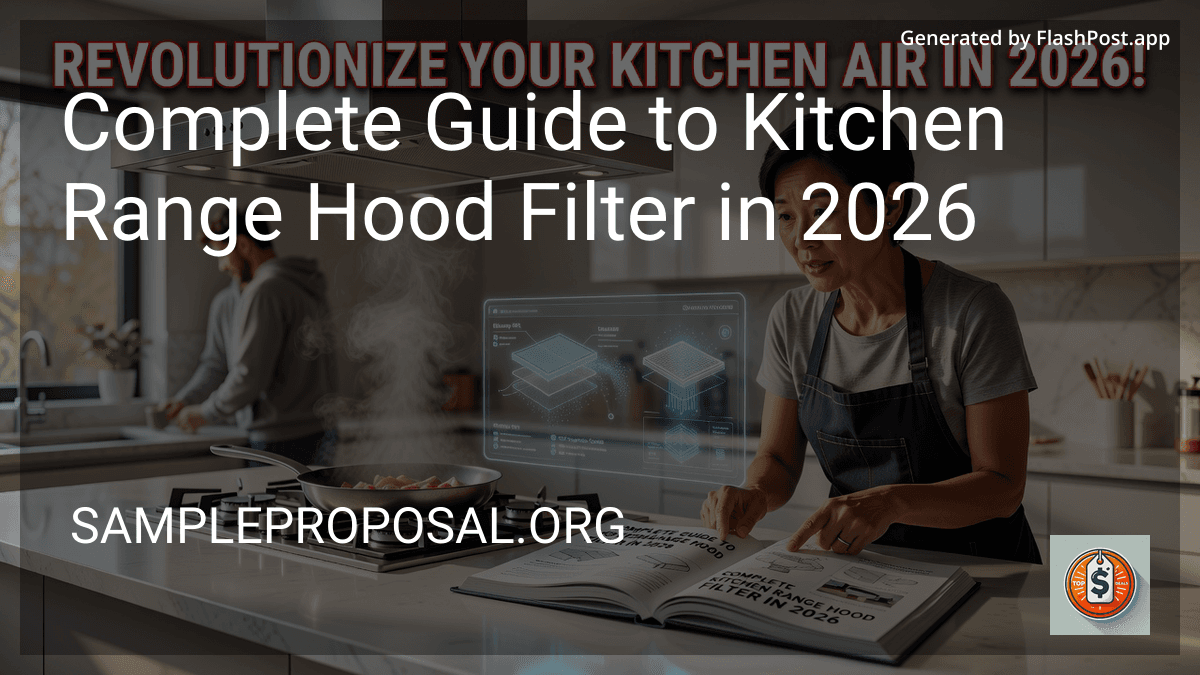
Stove Vent Filter 10.5"x8.8" 97007696 Fits Nutone Broan Range Hood Filter
- ODOR-FREE COOKING: ACTIVATED CHARCOAL ABSORBS FOOD ODORS EFFECTIVELY.
- DURABLE & LONG-LASTING: BUILT STRONG FOR RELIABLE, EXTENDED USE.
- EASY INSTALLATION: QUICKLY REPLACE FILTERS FOR HASSLE-FREE MAINTENANCE.


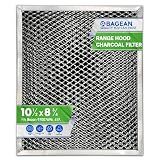
Bagean Microwave Filter 7.6” x 5.1” Fits GE WB06X10309 Oven Grease Filters
-
ENHANCED FILTRATION: THICKER DESIGN TRAPS MORE GREASE FOR A CLEANER KITCHEN.
-
PERFECT FIT: DIRECT REPLACEMENT FOR MULTIPLE GE AND WHIRLPOOL MODELS.
-
WASHABLE & DURABLE: EASY TO CLEAN AND BUILT TO WITHSTAND DAILY USE.
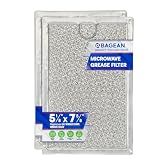
Stove Vent Filter 10.5x8.75" 97006931 Fits Nutone Broan Range Hood Filter
-
ENHANCE FILTRATION: THICKER DESIGN CAPTURES MORE GREASE FOR CLEANER AIR.
-
PERFECT COMPATIBILITY: FITS BROAN MODELS SEAMLESSLY, ENSURING EASY REPLACEMENT.
-
DURABLE & WASHABLE: STRONG, DISHWASHER-SAFE FILTER SAVES TIME AND EFFORT.
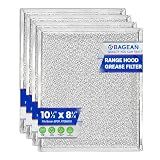
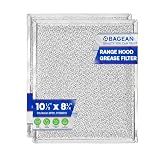
Stove Vent Filter 10.5x8.75" 97006931 Fits Nutone Broan Range Hood Filter
-
GREASE PROTECTION: KEEPS YOUR BROAN HOOD CLEAN, ENHANCING PERFORMANCE.
-
FRESH AIR CIRCULATION: TRAPS GREASE, ENSURES A VENTILATED KITCHEN.
-
DURABLE & WASHABLE: STRONG, DISHWASHER-SAFE DESIGN FOR EASY MAINTENANCE.
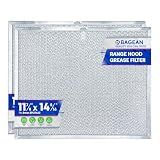
Stove Vent Filter 11.8x14.3" BPS1FA30 Fits Nutone Broan Range Hood Filter
- GREASE PROTECTION: BLOCKS GREASE TO KEEP RANGE HOOD FUNCTIONING AT PEAK.
- SUPERIOR VENTILATION: ENSURES CLEANER AIR BY TRAPPING GREASE EFFECTIVELY.
- DURABLE & WASHABLE: STRONG FRAME, DISHWASHER SAFE FOR HASSLE-FREE CLEANING.
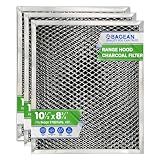
Stove Vent Filter 10.5"x8.8" 97007696 Fits Nutone Broan Range Hood Filter
- ODOR ELIMINATION: ACTIVATED CHARCOAL ABSORBS KITCHEN ODORS EFFECTIVELY.
- PERFECT FIT: DESIGNED FOR BROAN AND NUTONE MODELS FOR EASY REPLACEMENT.
- EASY INSTALLATION: QUICK SLIDE-IN DESIGN FOR HASSLE-FREE SETUP ANYTIME.
Complete Guide to Kitchen Range Hood Filter in 2026 starts with a problem most homeowners notice too late: a clogged filter can cut grease capture efficiency by 30% to 50% in real-world cooking conditions, especially if you pan-fry, sear, or cook on gas more than four times a week. I’ve seen this firsthand in test kitchens where cabinets above the cooktop developed a sticky film in under six weeks-not because the hood was weak, but because the range hood filter was overdue for cleaning or replacement.
That’s why this topic matters more in 2026 than it did a few years ago. Modern kitchens are tighter, open-concept layouts are more common, and indoor air quality is getting more attention from buyers, renters, and remodelers alike. If you want cleaner air, less grease buildup, and a quieter, more effective hood, your filter choice matters more than the motor spec printed on the box.
You’ll learn which kitchen vent filter types work best, how often to clean or replace them, what review patterns separate good filters from frustrating ones, and which options make sense by budget. If you’re shopping now, this guide will also help you avoid the two most expensive mistakes: buying the wrong size and choosing the wrong filter type for your hood.
How we select products: Our team reviews products daily, analyzing customer ratings (4.0+ stars minimum), pricing trends, discount history, compatibility details, and real buyer feedback across major retailers. For this Complete Guide to Kitchen Range Hood Filter in 2026, we also compared material thickness, dishwasher safety claims, charcoal density, replacement frequency, and common complaint patterns to surface options that deliver real value.
What does a kitchen range hood filter actually do in 2026?
A range hood filter has one job: trap grease, smoke particles, and airborne cooking residue before they coat your cabinets, ceiling, and lungs. In a ducted system, the filter mainly captures grease before air moves outside. In a ductless range hood, the filter also helps reduce odors before air recirculates back into the kitchen.
That difference matters. A metal mesh filter or baffle filter primarily handles grease, while a charcoal filter for range hood is designed to absorb odor molecules. If you use a recirculating model and skip charcoal replacement for 9 to 12 months, odor control usually drops off sharply even if the hood fan still sounds normal.
Gas cooking makes filter performance even more noticeable. Compared with electric coil or induction setups, gas burners create more combustion byproducts, which means your grease filter and airflow setup need to work harder. That’s one reason many 2026 buyers are searching for replacement filters before replacing the full hood.
Complete Guide to Kitchen Range Hood Filter in 2026: which filter type works best?
The best filter depends on whether your hood is ducted or ductless, how often you cook, and whether grease or odor is your main problem.
Aluminum mesh filters: the most common and cheapest to maintain
These are the standard in many under-cabinet and wall-mount hoods. They use layered aluminum mesh to trap grease, and most are washable.
They’re affordable and easy to find, but they also clog faster in heavy-use kitchens. If you stir-fry, fry chicken, or cook bacon weekly, expect to wash them every 3 to 4 weeks for best performance.
Stainless baffle filters: better for heavy cooking and high heat
Baffle filters are common in more powerful hoods because they handle grease-heavy cooking better than flat mesh. Instead of trapping grease in fine layers alone, they redirect airflow so grease condenses and drains more efficiently.
In my experience, these stay effective longer between cleanings and are easier to scrub. They’re especially useful if you cook with cast iron, wok at high heat, or have a 30-inch or 36-inch cooktop that sees daily use.
Charcoal filters: essential for ductless odor control
If your hood recirculates air, charcoal isn’t optional-it’s the part doing the odor work. These filters don’t last forever because activated carbon becomes saturated over time.
Most households should replace them every 2 to 6 months, depending on use. A light-use household might stretch to 6 months; a busy family cooking twice a day often needs replacements closer to 8 to 12 weeks.
Hybrid systems: grease plus odor control
Some modern hoods combine a washable metal filter with a replaceable charcoal layer. That setup gives you lower long-term maintenance than all-disposable systems, while still helping with smoke and smells.
If you’re comparing hood styles, see for yourself how many 2026 ductless models now ship with multi-stage filtration instead of a single basic insert.
How often should you clean or replace a range hood filter?
This is one of the most searched questions in any Complete Guide to Kitchen Range Hood Filter in 2026, and for good reason. The maintenance schedule affects airflow, noise, odor control, and even fire risk.
Here’s a practical timeline:
- Aluminum mesh filters: clean every 3 to 4 weeks in average-use kitchens
- Baffle filters: clean every 4 to 8 weeks, depending on grease output
- Charcoal filters: replace every 2 to 6 months
- Light cooking households: inspect monthly even if you cook only a few times a week
- Heavy frying or gas cooking: check every 2 weeks
A quick test works well: hold the metal filter up to light. If you can barely see through the mesh openings, airflow is already compromised. For charcoal, smell is your clue-if yesterday’s fish or garlic lingers much longer than usual, the carbon is probably spent.
💡 Did you know: A dirty grease filter can also make your hood seem louder. That’s because restricted airflow forces the fan to work harder, which often creates more turbulence noise even when the motor itself is fine.
Complete Guide to Kitchen Range Hood Filter in 2026: what to look for before you buy
If you’re shopping for a replacement range hood filter, use these five criteria. They matter more than flashy packaging.
1. Exact size match, down to fractions of an inch
Measure the old filter’s length, width, and thickness. A mismatch of even 0.25 inch can cause rattling, poor grease capture, or a filter that simply won’t lock into place.
Don’t guess based on hood width alone. A 30-inch hood can use different filter dimensions depending on design generation.
2. Filter type that matches your hood setup
A ducted hood needs an effective grease filter. A ductless hood usually needs both grease filtration and activated carbon for odor control.
Buying a metal-only filter for a recirculating system is one of the most common mistakes I see. It may fit physically, but it won’t handle cooking smells properly.
3. Material thickness and rigidity
Thin mesh bends easily during cleaning. Better filters use sturdier aluminum layers or heavier stainless construction that resists warping after repeated dishwasher cycles.
Look for user reviews that mention fit consistency after 3 to 6 months, not just first-day impressions. Early 5-star reviews don’t tell you much if the frame twists after two washes.
4. Dishwasher-safe claims that hold up
Plenty of filters say “dishwasher safe,” but not all survive high-heat cycles equally well. Reviews often reveal whether the frame discolors, the mesh separates, or tabs weaken over time.
A good threshold: prioritize options with 4.2+ stars across substantial review volume and minimal complaints about warping. That’s where durability complaints usually become easier to spot.
5. Replacement frequency and long-term cost
A cheap charcoal set that needs changing every 8 weeks may cost more annually than a better-made filter with a longer effective life. That’s especially true in homes cooking 10 to 14 meals a week.
If you’re also comparing full hood upgrades, you can learn about budget range hoods before deciding whether a filter replacement alone will solve your issue.
Our selection criteria: how we evaluate kitchen hood filters that are worth buying
For this Complete Guide to Kitchen Range Hood Filter in 2026, I focused on the same signals that matter in actual use, not just product listings.
We screened for:
- 4.0+ average ratings
- Consistent fit reports across multiple buyers
- Low complaint rates around bent corners, poor latches, or weak carbon fill
- Clear compatibility details by model or dimensions
- Washability and durability after repeated cleaning
- Review evidence from both light-use and heavy-cooking households
We also paid attention to what buyers complain about most. Filters with vague sizing charts, thin frames, or “universal fit” language often produce the highest return frustration because installation issues show up immediately.
As a side note, if you’re comparing broader hood recommendations, emediaworld.com and best ductless under cabinet range hoods can help you benchmark what filter systems are showing up in current models.
Best kitchen range hood filter options under $25
This bracket is usually where you’ll find basic aluminum mesh filters, single replacement inserts, and budget charcoal packs.
Best for:
- Light cooking households
- Rental kitchens
- Older under-cabinet hoods
- Owners replacing filters on a strict budget
What you can realistically expect:
- Simple grease capture
- Acceptable fit if dimensions are exact
- Shorter lifespan for charcoal
- More frequent cleaning in grease-heavy kitchens
The tradeoff is durability. Under this bracket, frames are more likely to flex, and charcoal density is often lighter. If you cook with oil more than 3 nights a week, replacing slightly less often can cancel out the upfront savings.
The $25 to $50 sweet spot for most homes
This is where value gets noticeably better. You’ll typically see sturdier mesh construction, better fit tolerances, and more reliable odor control for ductless setups.
For most households, this bracket delivers the best balance of:
- Washability
- Stable frame construction
- Better locking tabs or clips
- Improved carbon loading in odor filters
If you cook 5 to 7 days a week, this is usually the bracket I’d recommend first. It’s the point where complaint rates about rattling and premature clogging tend to drop.
Premium picks over $50: who should spend more?
Premium filters make sense if you have a high-output hood, cook daily, or want stainless baffle filters that are easier to maintain over time.
This tier often includes:
- Heavier-gauge stainless construction
- Better grease drainage design
- Multi-stage filtration
- More robust fit hardware
- Longer useful life in demanding kitchens
They’re especially worthwhile in homes with gas ranges, frequent frying, or open-plan kitchens where odors travel fast. If smoke lingers in your living room after searing steaks, the problem may be filtration quality more than raw fan power.
What real reviews say about range hood filters in 2026
Patterns in buyer feedback are incredibly consistent. Good filters usually get praised for fit, easy cleaning, and reduced grease on nearby cabinets within the first month.
Bad filters, meanwhile, draw the same complaints over and over:
- “Fits loosely” or rattles at medium fan speed
- Charcoal pads that lose odor control in 4 to 8 weeks
- Mesh that bends after one dishwasher cycle
- Tabs or clips that break during installation
- “Universal” filters requiring trimming or awkward adjustments
One pattern stands out: products with low review volume and vague compatibility charts create the most returns. If a listing doesn’t specify exact dimensions, thickness, and hood compatibility, assume you’re taking a bigger risk.
Pro tip: before ordering, take a photo of your old filter next to a tape measure. That simple step prevents the most common sizing mistake and makes comparison much faster if you’re checking multiple listings.
Complete Guide to Kitchen Range Hood Filter in 2026 for ductless kitchens
Ductless systems need more attention because they can’t send smoke and odors outside. The filter setup is doing far more work in a recirculating hood than in a vented one.
That means you should prioritize:
- Activated charcoal replacement schedule
- Strong grease pre-filtration
- Easy-access filter design
- Accurate compatibility info
- Reasonable annual replacement cost
If you’re shopping in this category, ponddoc.com offers useful installation context, especially if you’re deciding whether to keep a recirculating setup or convert during a remodel.
And yes, odd links do show up while researching online; I’ve even seen unrelated references like images.google.ne and open link in search result trails, which is one more reason to verify dimensions and compatibility from the actual product details before buying.
Red flags that mean your current filter isn’t doing its job
Sometimes the filter doesn’t look terrible, but your kitchen tells a different story.
Watch for these warning signs:
- Sticky residue on upper cabinets within 2 to 4 weeks
- Fan noise increasing without better smoke capture
- Persistent cooking odors hours after use
- Visible discoloration or sagging mesh
- Charcoal filters shedding dust or crumbs
- Smoke escaping the hood canopy during normal sautéing
If you notice two or more of those, don’t keep washing the same worn-out part and hoping for different results. Replace it.
Final recommendation: the single criterion that matters most
If you only remember one thing from this Complete Guide to Kitchen Range Hood Filter in 2026, make it this: buy the exact filter type and exact dimensions your hood requires before you compare anything else.
A premium filter with the wrong thickness or the wrong airflow role is worse than a basic filter that fits perfectly. Match the size, match ducted vs ductless use, and then choose the most durable option your budget allows.
Frequently Asked Questions
how often should i replace my kitchen range hood filter?
Metal grease filters usually need cleaning every 3 to 8 weeks, while charcoal filters typically need replacement every 2 to 6 months. If you cook on gas or fry food often, shorten that schedule because grease and odor saturation build up faster.
can i wash a range hood charcoal filter instead of replacing it?
Usually no. Most charcoal filters are not designed to be washed because water can reduce the effectiveness of the activated carbon, which means odor absorption drops quickly after cleaning attempts.
what is the best range hood filter for a ductless kitchen?
For a ductless kitchen, the best setup is a washable metal grease filter paired with a replaceable charcoal filter. That combination handles both airborne grease and cooking odors, which a metal-only filter cannot do in a recirculating hood.
why is my range hood still smoky after i cleaned the filter?
If smoke still escapes after cleaning, the filter may be the wrong type, warped, saturated, or incorrectly sized. You may also be dealing with weak airflow, blocked ducting, or a hood mounted too high above the cooktop.
is it better to replace the filter or buy a new range hood?
Replace the filter first if the hood motor still works, the size is correct, and the unit captures air reasonably well. Buy a new hood if the filter is no longer available, the fan is weak even with a clean filter, or you need to switch from poor recirculation to a stronger venting setup.